 Is your tracking broken? Fix with Measurement Trust Center.Explore now →
Marketing attribution
Learn how marketing attribution works, compare attribution models, track customer touchpoints, and connect marketing to revenue.
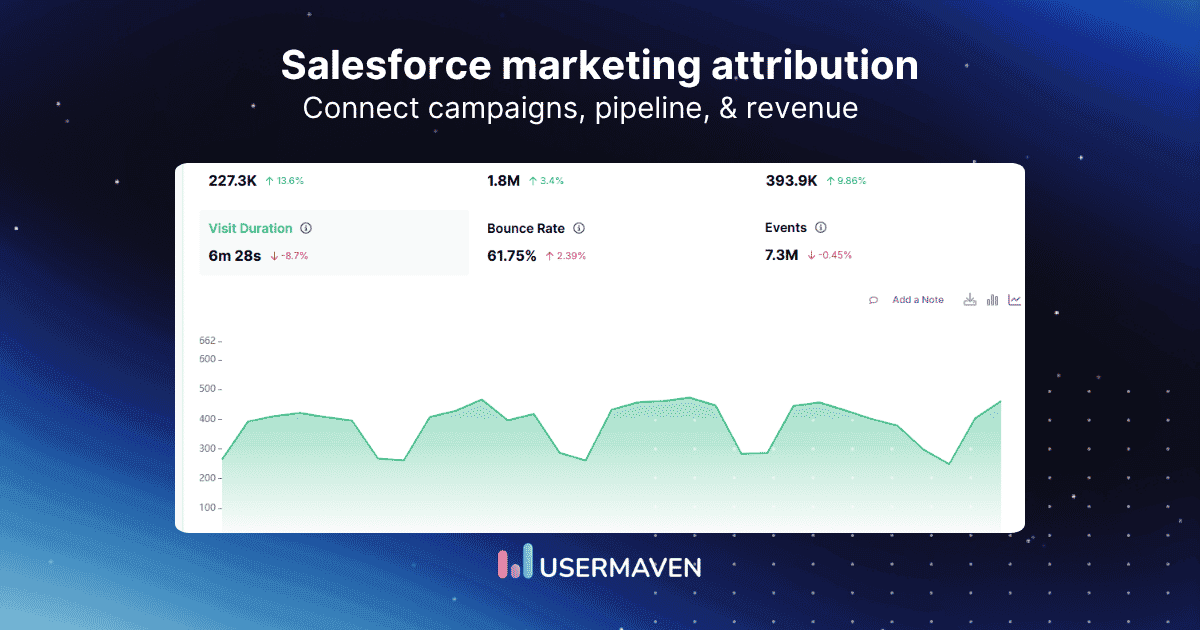
Salesforce marketing attribution: Models & revenue tracking
The campaign that creates the most Salesforce leads may not create the most Salesforce revenue. Salesforce is strongest once prospects become known CRM records, but marketing attribution often begins earlier with ads, search, content, anonymous visits, repeat sessions, and product or website behavior. Those earlier interactions can shape the opportunity long before a Closed Won […]
10 best lead attribution software for 2026
Cheap leads can be the most expensive leads in your funnel. A campaign can win on CPL and still create weak qualification, slow opportunities, and little Closed Won revenue. Useful lead attribution goes beyond recording where a form came from. It connects marketing interactions with known leads, CRM stages, opportunities, pipeline, and revenue so teams […]
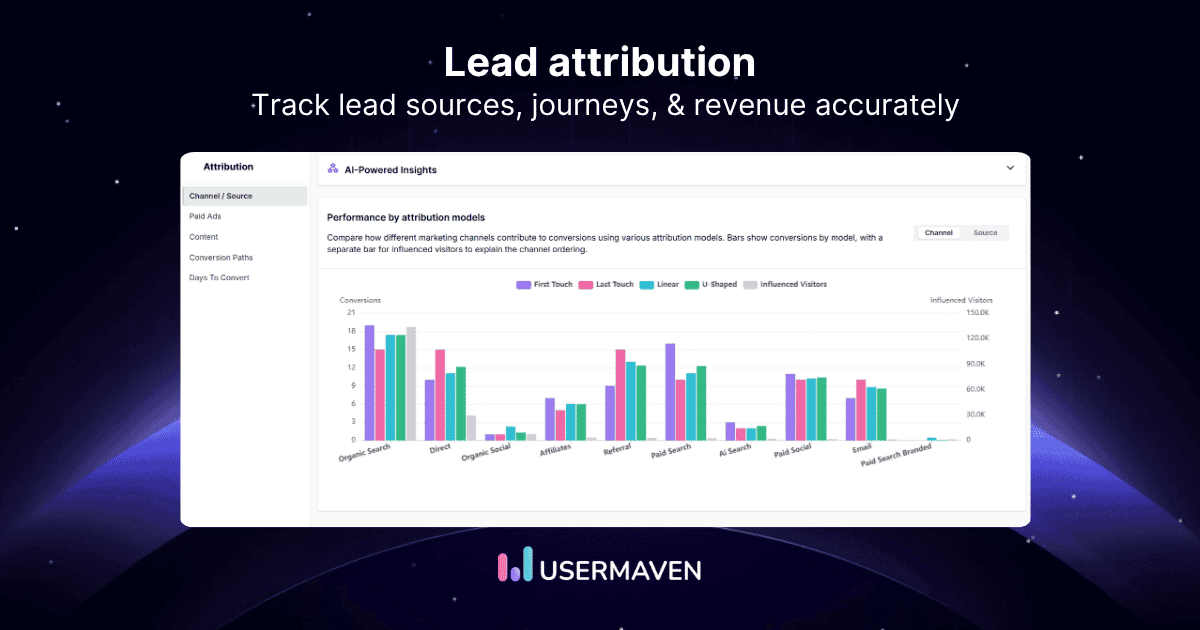
Lead attribution: Models, tracking & how it works
Getting a lead is easy to record. Knowing which marketing interactions actually created or influenced that lead is much harder. A CRM might label the source as Google Ads, yet the same person may have first discovered you on LinkedIn, read an organic article, attended a webinar, returned through search, and only then requested a […]
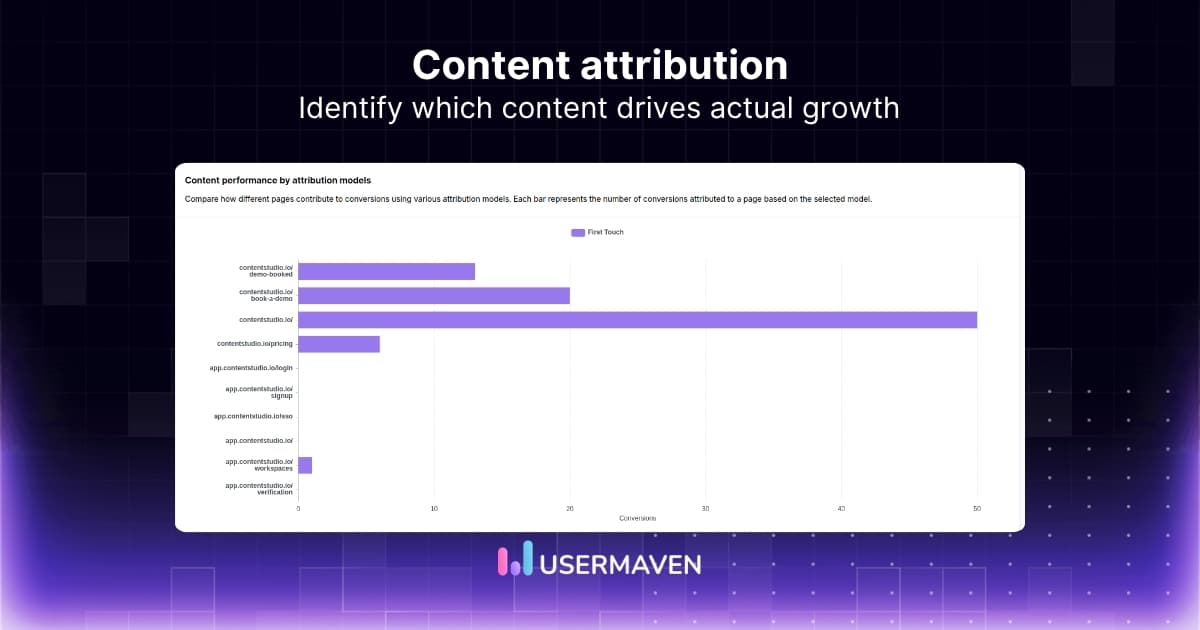
Content attribution: How it works, models & tracking
A blog post can introduce a buyer to your brand without ever being the page where they convert. A case study may move an opportunity forward weeks later, while another channel eventually receives the final click. Content attribution closes that gap. With the right marketing attribution software, teams can connect content interactions with conversions, pipeline, […]
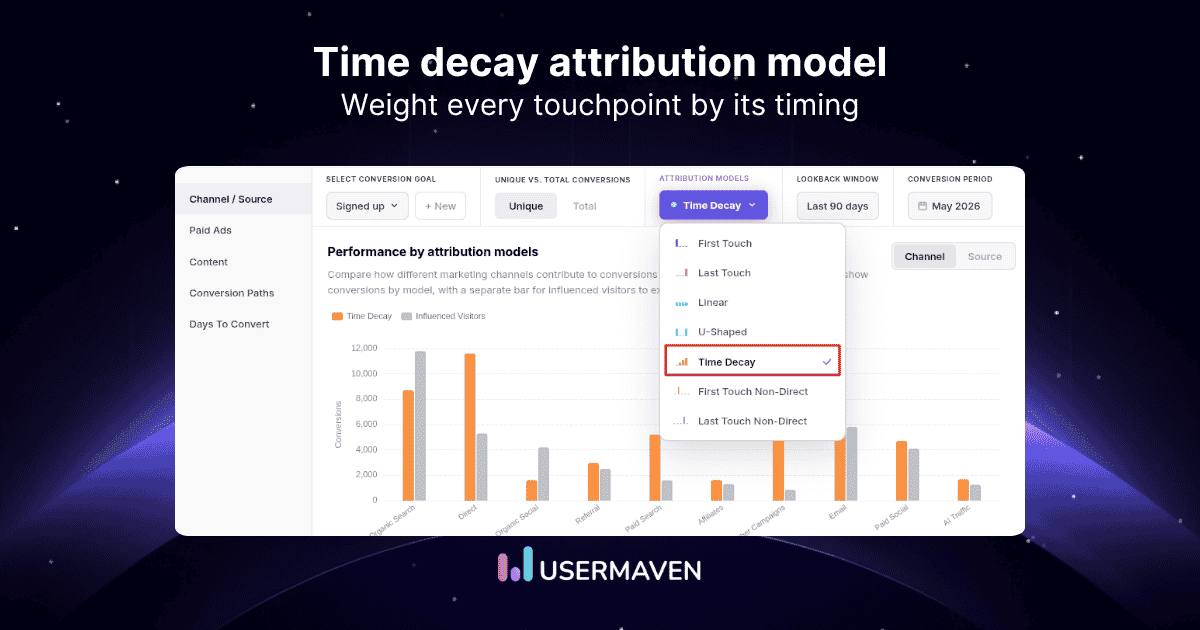
Time decay attribution model: Formula & examples
Most people set big resolutions every January, yet studies show most give up within a few weeks. Often the final push gets the praise, while months of small actions are forgotten. Marketing works the same way when teams rely on last-click reports. The time decay attribution model fixes part of that problem. It is a […]
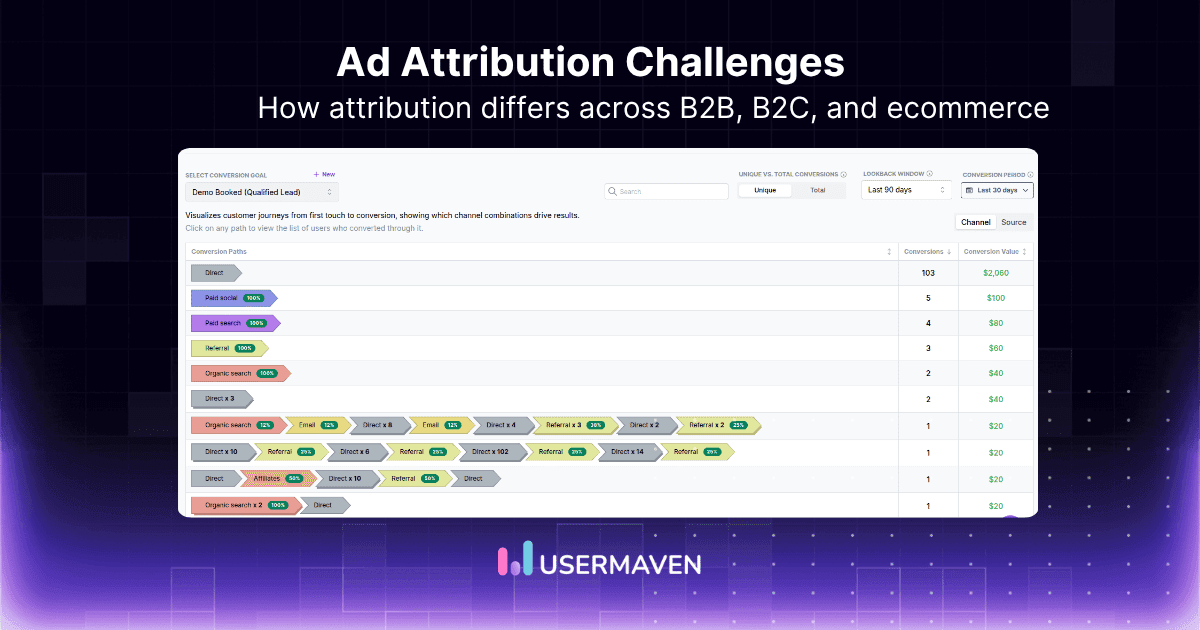
Ad attribution challenges: B2B vs. B2C vs. ecommerce
Ad attribution does not become difficult in the same way for every business. A B2B company connecting LinkedIn ads to closed revenue faces a different problem from a consumer brand reconciling Meta, Google, and repeat purchases. Privacy restrictions, fragmented identity, conflicting platform claims, long customer journeys, and model limitations create pressure across almost every attribution […]
Best ad attribution software for ecommerce in 2026
Google, Meta, TikTok, and other ad platforms can all claim credit for the same ecommerce order, even though the store records only one actual purchase. That is why ecommerce teams need an independent ecommerce attribution layer that connects paid media with customer journeys, orders, revenue, and customer value. This guide compares ten ad attribution software […]
Ad attribution software for SaaS: 10 tools for B2B & PLG
A SaaS ad campaign rarely ends at the signup. A buyer can click a LinkedIn or Google ad, start a trial, use the product, return through email or organic search, enter the CRM, and become recurring revenue weeks later. That is why SaaS teams need more than a generic ad attribution software. The measurement layer […]
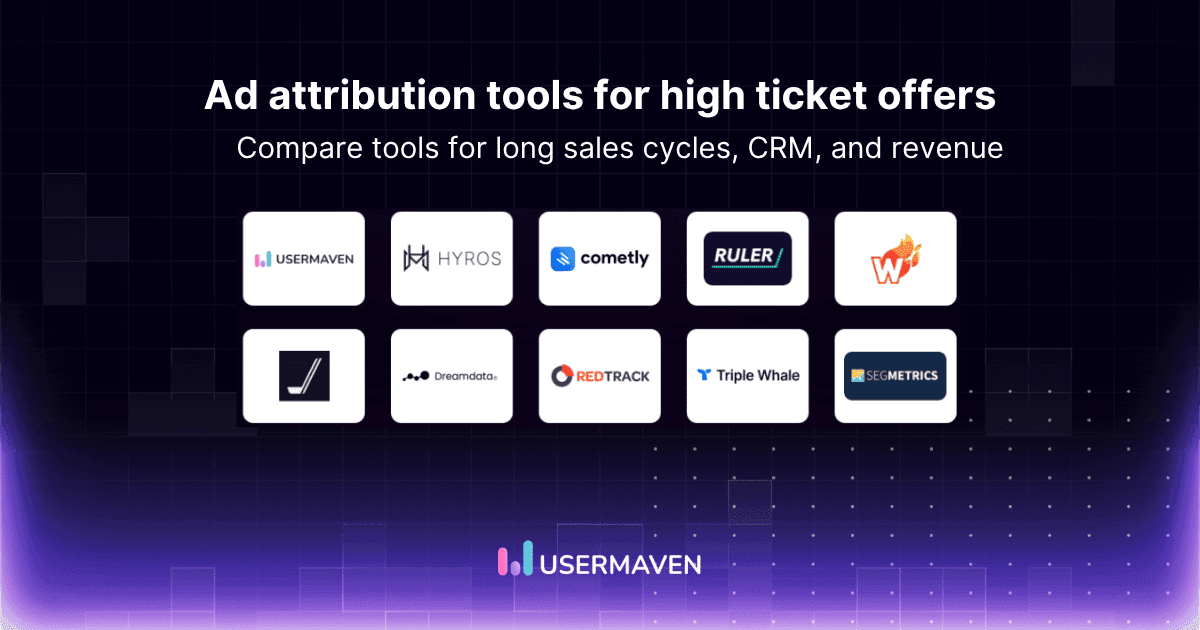
10 best ad attribution tools for high-ticket offers
A high-ticket sale rarely follows a simple ad-to-purchase path. A buyer may click an ad, return through search, attend a webinar, book a call, enter the CRM, and close weeks or months later. That makes attribution in advertising harder than counting form fills. The measurement system has to preserve the journey long enough to connect […]
Showing 9 of 85 articles
Load more articles