Black FridaySave up to $10,000 on setup, expert support & 1M events · Ends in 15d 00h 00mClaim offer →

Ryan Mitchell

Marketing Analytics Strategist

Ryan Mitchell is a marketing analytics strategist specializing in campaign measurement, customer journeys, and marketing performance. He writes about analytics, reporting, and data-driven marketing strategies, helping SaaS and B2B teams measure what matters across every stage of the customer journey.

Read articles by Ryan

Comparisons

Rockerbox pricing: Costs, hidden fees & alternatives

Curious what Rockerbox will actually cost before you sit through a demo? This guide breaks down how its quote-based pricing works, typical contract bands by ad spend, the fees buyers often miss, and when a simpler option like Usermaven might be a better fit.

Ryan Mitchell
Comparisons

Dreamdata pricing 2026: Plans, costs & what you actually pay

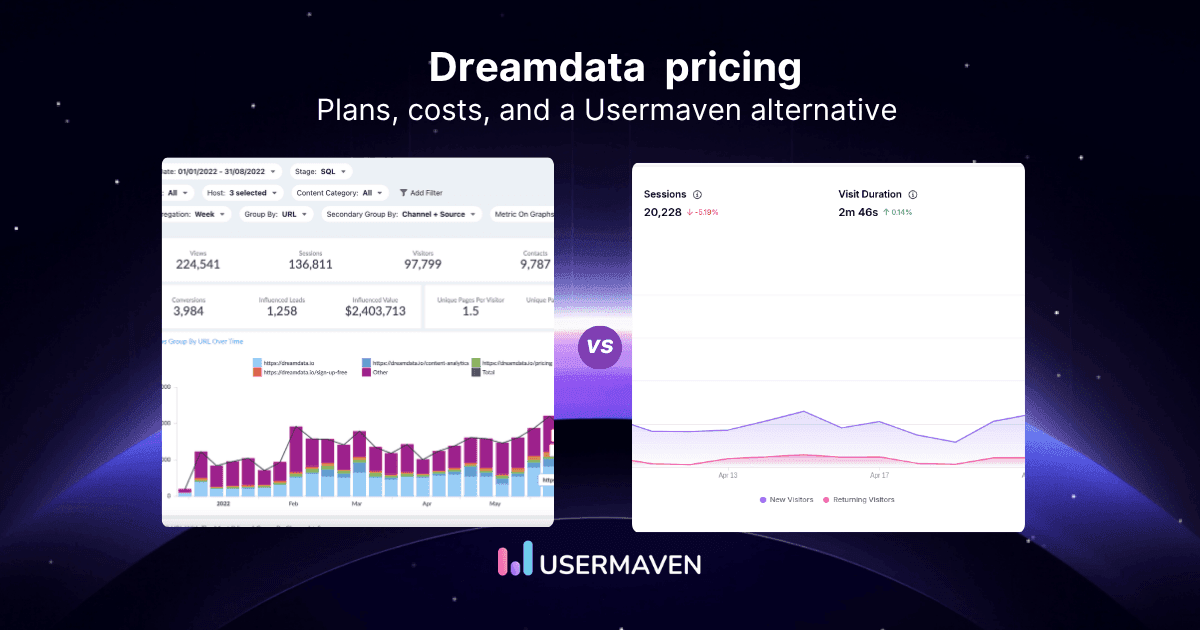
Dreamdata pricing is unusually easy to misread in 2026. Search results still surface older paid starting prices, while Dreamdata’s live pricing page now publishes only a $0 Free plan and custom pricing for advanced attribution. That makes the buying question less about finding one sticker price and more about understanding what the Free plan can […]

Ryan Mitchell
Comparisons

Heap vs. Mixpanel vs. Usermaven: A practical comparison

Heap, Mixpanel, and Usermaven all explain what customers do, but they are optimized for different decisions. Choosing the wrong analytics platform can leave a team with excellent event charts and no reliable answer about revenue. Teams comparing marketing attribution software should ask whether they mainly need retroactive event discovery, product experiments, or a clear link […]

Ryan Mitchell
Comparisons

Matomo vs. Plausible vs. Usermaven: Features & differences

The cheapest analytics tool can become the most expensive choice if it cannot answer the question your team needs. A simple traffic dashboard, a self-hosted measurement stack, and a marketing attribution platform solve different problems. Matomo vs. Plausible vs. Usermaven is therefore less about which dashboard has the most features and more about where measurement […]

Ryan Mitchell
Comparisons

Which analytics platform wins? Mixpanel vs. Amplitude vs. Usermaven

Choosing analytics used to feel simple. Pick a tool, add tracking, and expect clean answers. Marketing teams need marketing attribution software that connects campaigns to revenue. Product teams need reliable event, funnel, and retention data. Both need a setup they can sustain. That makes Mixpanel vs. Amplitude vs. Usermaven a useful comparison. Each handles user […]

Ryan Mitchell
Marketing attribution

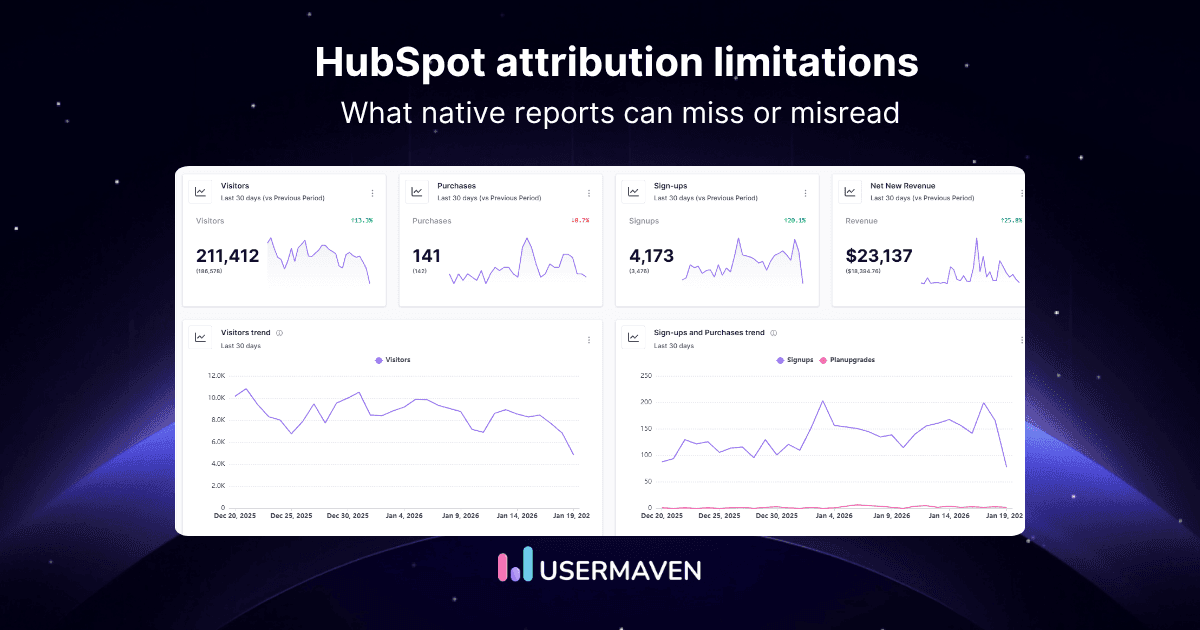
HubSpot attribution limitations: What the reports miss

HubSpot can produce an attribution report that is technically correct and still leave a team with the wrong answer to its business question. Sometimes the constraint is native to the report. Sometimes the real problem is missing tracking, incomplete CRM associations, or a customer interaction that was never captured. The distinction matters because changing the […]

Ryan Mitchell
Ad analytics

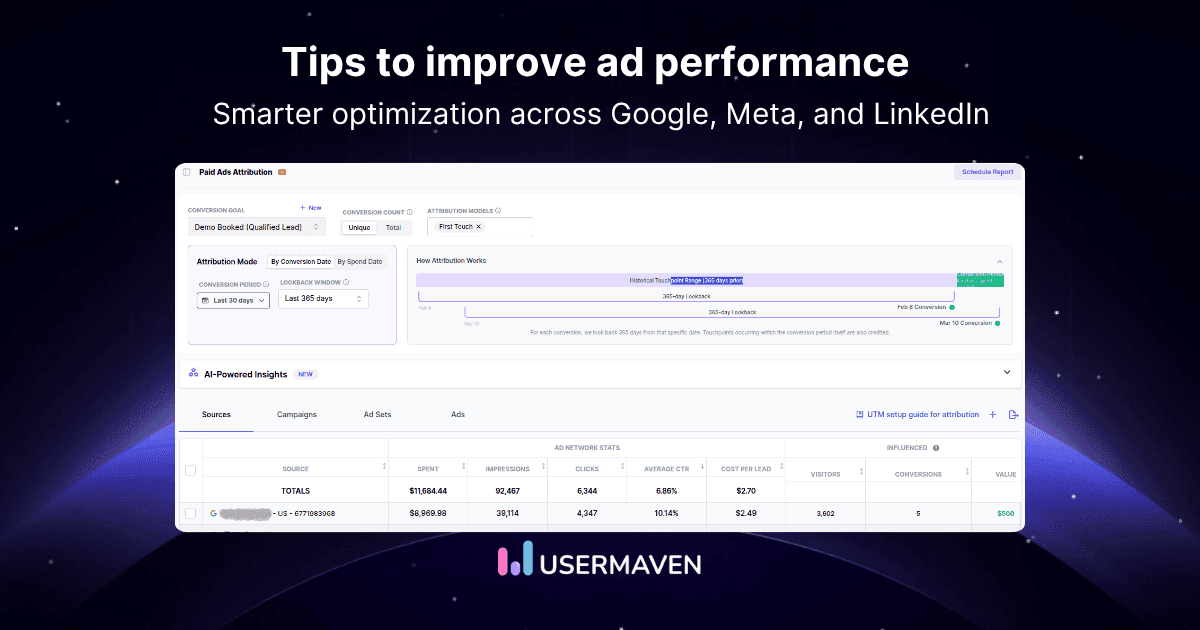
Tips to improve ad performance: Google, Meta, and LinkedIn

Improving ad performance is not only about lowering CPC or increasing CTR. A campaign can attract cheaper clicks and still produce fewer qualified leads, weaker customers, or less revenue. The strongest optimization process works across three layers: the ad platform, the post-click experience, and the measurement signal that tells the platform what a valuable outcome […]

Ryan Mitchell
Ad analytics

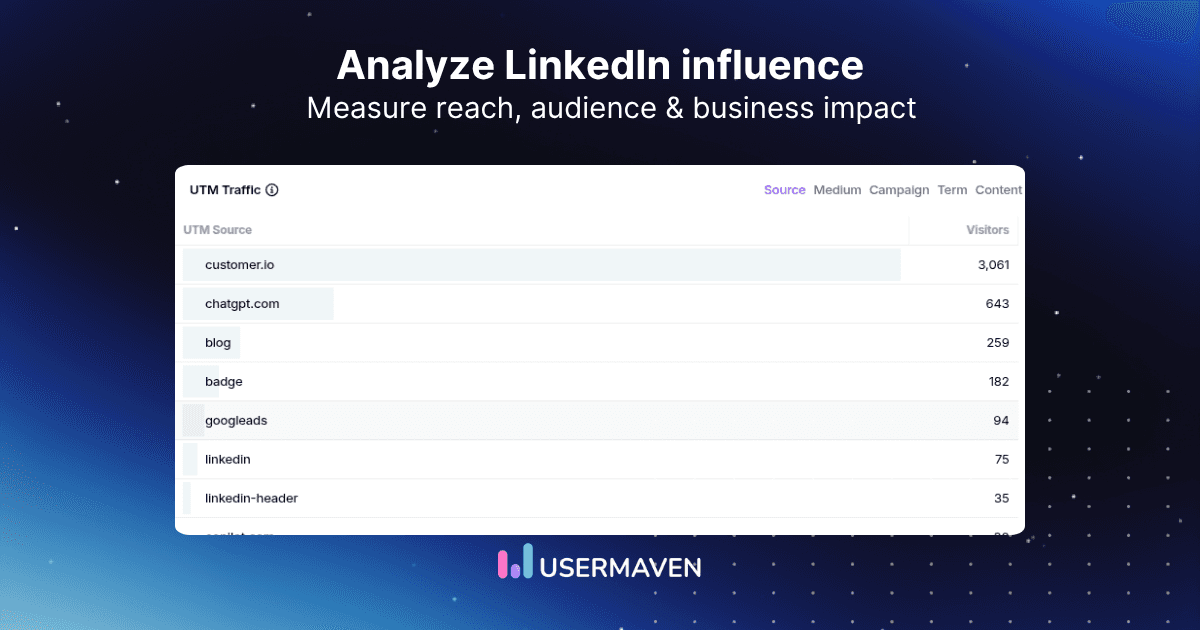
How to analyze LinkedIn influence & know what actually works

A LinkedIn post can get 100,000 impressions and still have little business impact. Another can reach 10,000 people, attract the right job titles, trigger profile visits, send qualified traffic, and contribute to the pipeline. That difference is why LinkedIn influence cannot be reduced to followers or engagement rate. Native LinkedIn analytics shows how far content […]

Ryan Mitchell
Marketing analytics

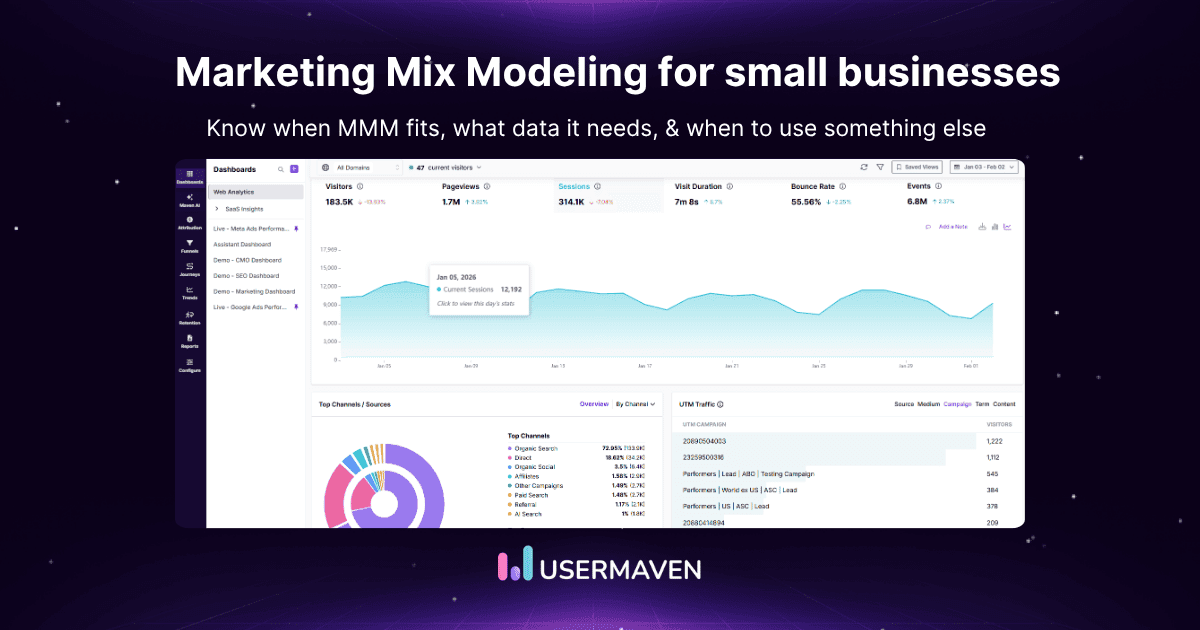
Marketing Mix Modeling for small businesses: A readiness guide

Marketing mix modeling used to sound like something only global brands with television budgets, data-science teams, and years of sales history could use. Open-source frameworks and automated MMM tools have lowered that barrier, but they have not removed the data requirements. The useful question is not whether a company is “big enough” for MMM. It […]

Ryan Mitchell