

Junaid Ahmed
Content Writer & Digital Marketer
Junaid Ahmed is a content and copywriter with 3+ years of experience creating research-driven content across SaaS, B2B, ecommerce, and digital marketing. He specializes in turning complex topics into clear, practical content that helps marketers better understand their challenges, evaluate solutions, and make informed decisions. His work spans educational content, industry insights, and actionable marketing guides.
Read articles by Junaid
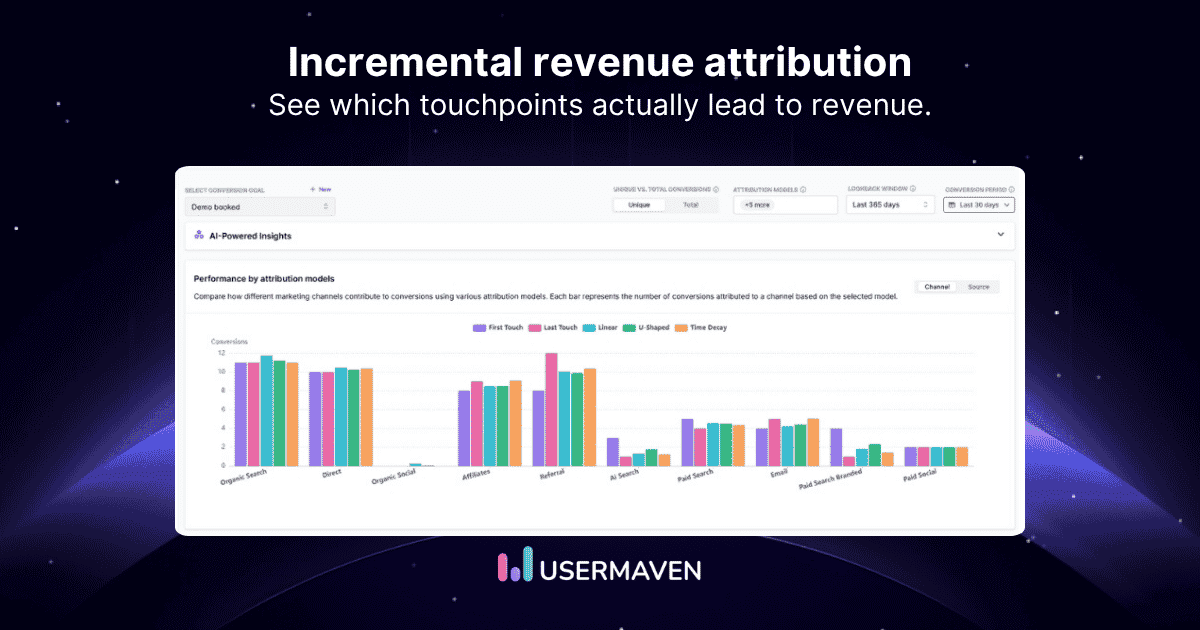
Incremental revenue attribution: Measure true marketing lift
Meta reports $500,000 in attributed revenue. The CRM confirms that those customers purchased. But how much of that revenue would still have happened if the ads had never run? That is the difference between attribution and incrementality. Attribution explains which observed marketing interactions receive credit. Incrementality asks what additional business outcome marketing actually caused compared […]
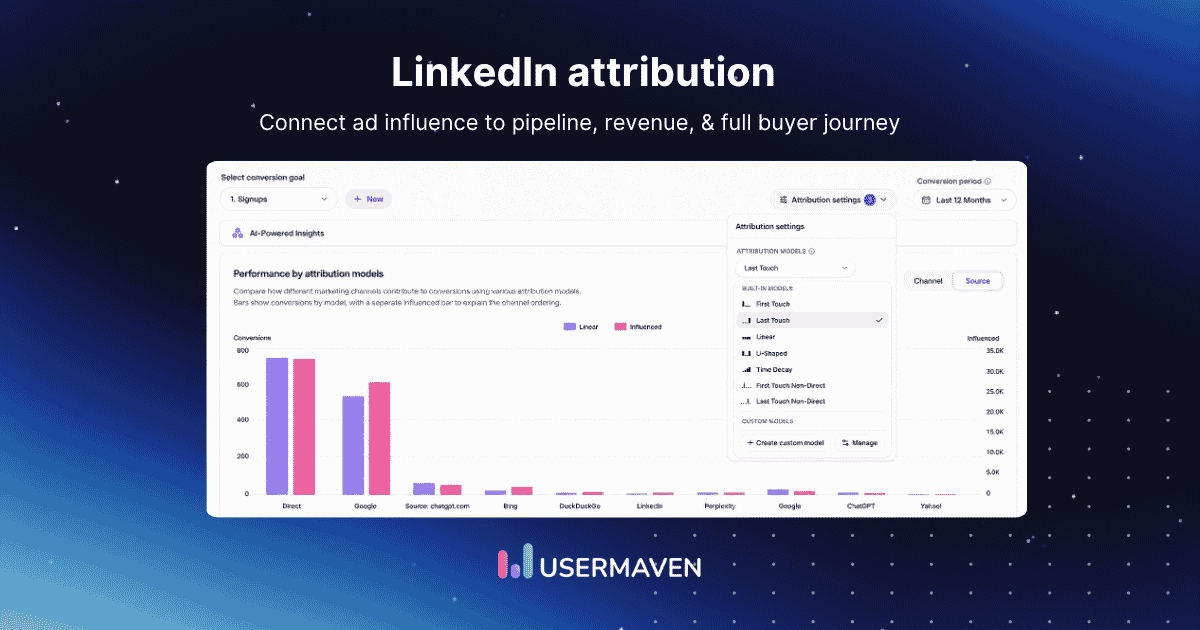
LinkedIn attribution: Track revenue & measure campaign impact
LinkedIn says an ad influenced the conversion. The CRM says the opportunity came from Organic Search. A multi-touch report shows LinkedIn early in the journey and email before the demo. Which source should get credit? All three can be internally consistent because they may be answering different questions. LinkedIn conversion attribution, LinkedIn revenue influence, and […]
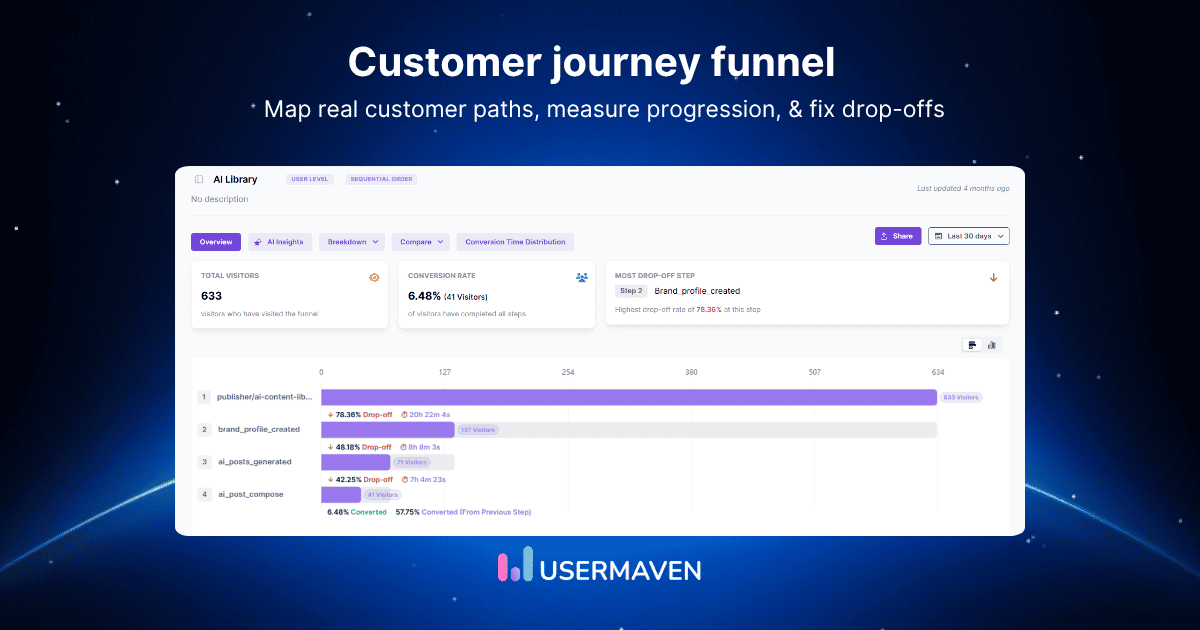
The customer journey funnel: A strategic path to sustainable growth
A funnel might say 40% of trial users activated. It cannot tell you whether those users arrived through a pricing page, watched a demo, left for three days, or explored five product features before reaching activation. Funnels show progression. Journeys show behavior. Teams need both because aggregate conversion rates reveal where movement slows, while the […]
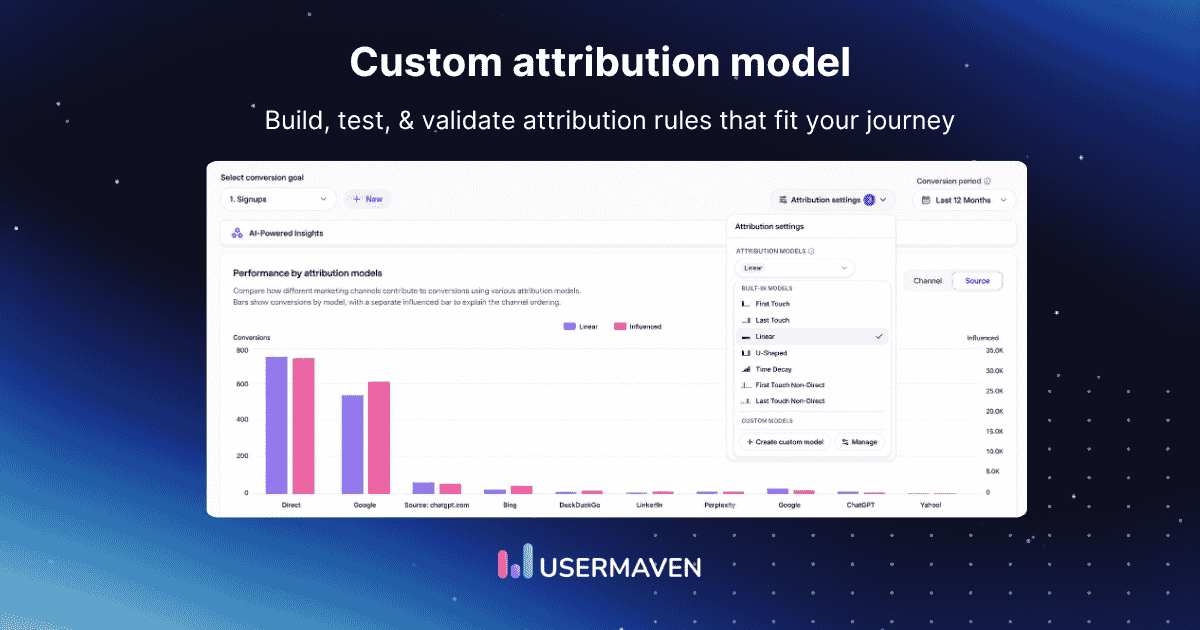
Custom attribution model: How to build and validate one
Change the weights in an attribution model and a channel can move from supporting player to apparent winner without a single customer journey changing. That is the power and the risk of custom attribution. Standard models settle credit with predefined rules. A custom attribution model lets the business define its own logic, but those rules […]
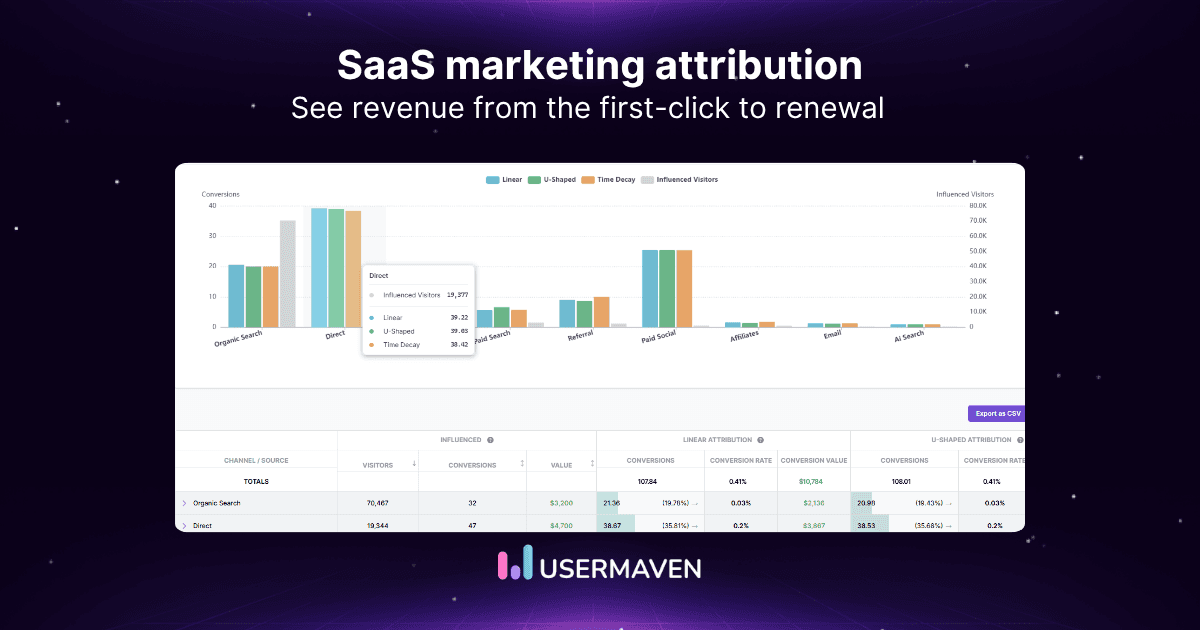
SaaS marketing attribution: Models, metrics & setup
A SaaS company closes two $40,000 deals. One customer later expands to $95,000 in annual revenue. The other churns after four months. An attribution report that stops at Closed Won would call those customers equally valuable. That is the core SaaS attribution problem. Marketing does not create value only at the first conversion. Acquisition quality […]
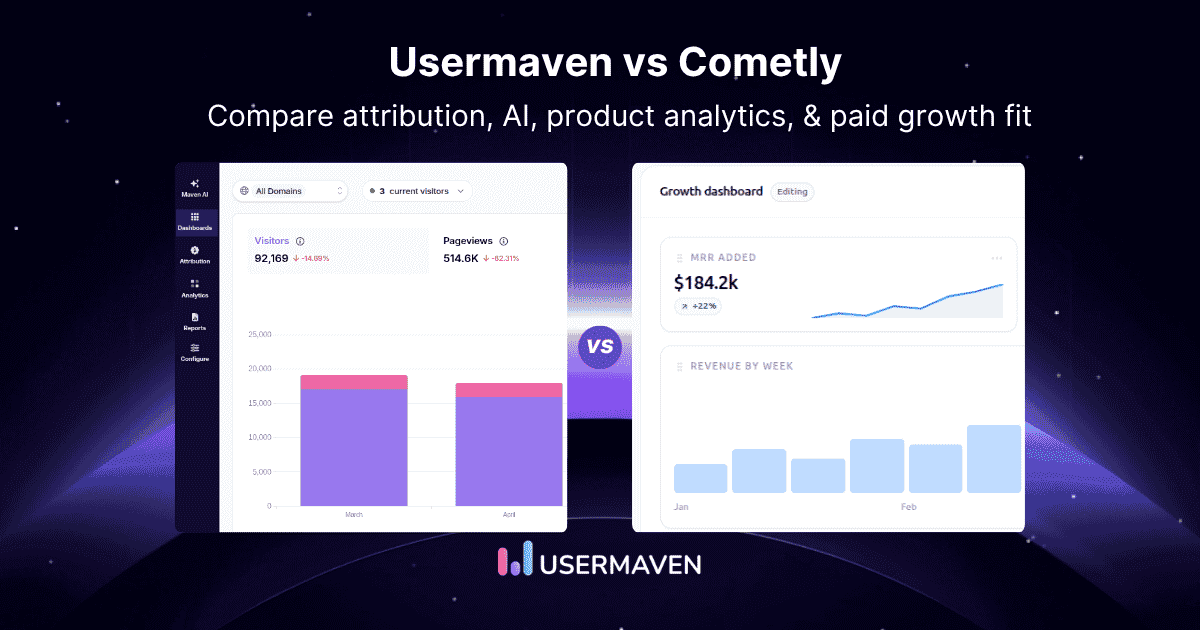
Usermaven vs. Cometly: Which is better in 2026?
Usermaven and Cometly are both serious AI marketing attribution platforms for teams that need to connect campaigns with pipeline and revenue. Both now support multi-touch measurement, CRM outcomes, AI analysis, and full-funnel reporting, so the comparison goes well beyond basic attribution features. The real difference is what happens around attribution. Usermaven extends acquisition data into […]
HubSpot vs. Salesforce attribution: Models, data & revenue
HubSpot and Salesforce can both connect marketing activity with CRM revenue, but they do it through very different attribution architectures. That difference affects what gets tracked, which records receive credit, and how much setup the marketing team needs. HubSpot is generally easier for marketing-led attribution because interactions, contacts, deals, and revenue live in one reporting […]
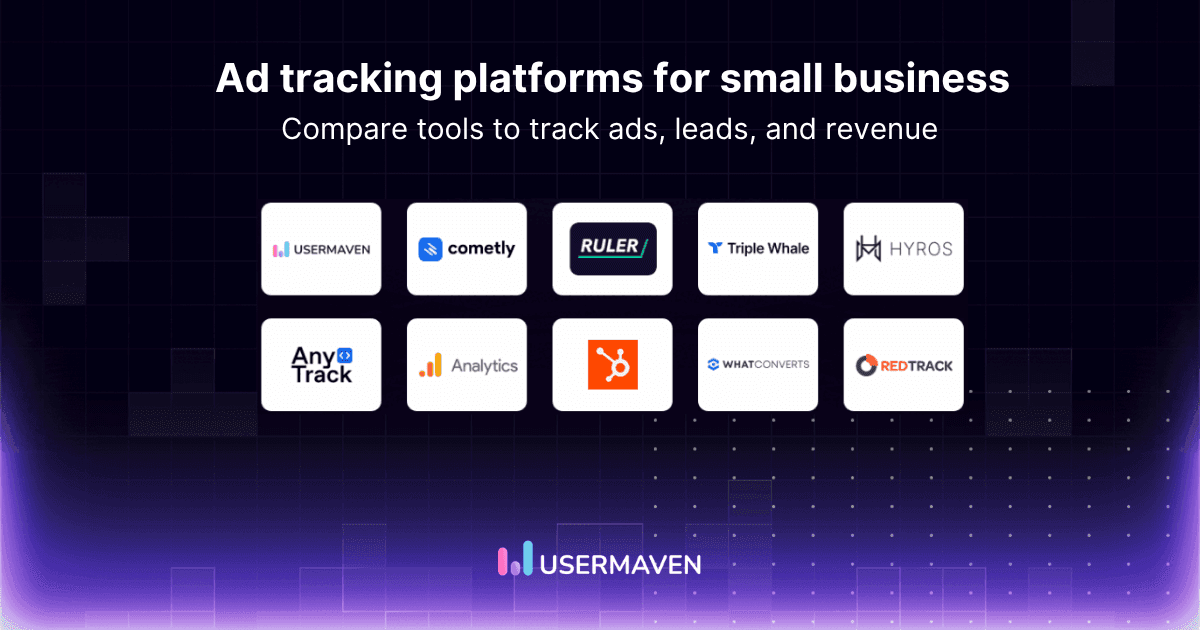
Best ad tracking platforms for small business in 2026
Small businesses usually do not need more marketing dashboards. They need to know which ads create calls, customers, purchases, and revenue before a limited budget is wasted. The challenge is that Google, Meta, analytics tools, call-tracking systems, and a CRM can all report different versions of the same journey. The right ad attribution software should […]
Salesforce marketing attribution: Models & revenue tracking
The campaign that creates the most Salesforce leads may not create the most Salesforce revenue. Salesforce is strongest once prospects become known CRM records, but marketing attribution often begins earlier with ads, search, content, anonymous visits, repeat sessions, and product or website behavior. Those earlier interactions can shape the opportunity long before a Closed Won […]