Behavioral analytics helps businesses understand user interactions with online products by analyzing clicks, scrolls, purchases, and more. It highlights customer preferences, motivations, and pain points, enabling better decisions to improve experiences, optimize funnels, and drive growth.
But is behavioral analytics really different from typical website analytics?
Traditional approaches might track overall traffic or bounce rates, similar to how important website metrics work. Behavioral analytics goes beyond that, offering insights into micro-interactions and behaviors that reveal the underlying reasons for user actions. This can lead to more accurate predictions about future preferences and a better sense of what your audience truly needs.
Keep reading to learn about the main parts of behavioral analytics, its uses, and how it can benefit your organization. You’ll find practical tips, examples, and best practices to kick-start your own data-driven strategies.
What is behavioral analytics?
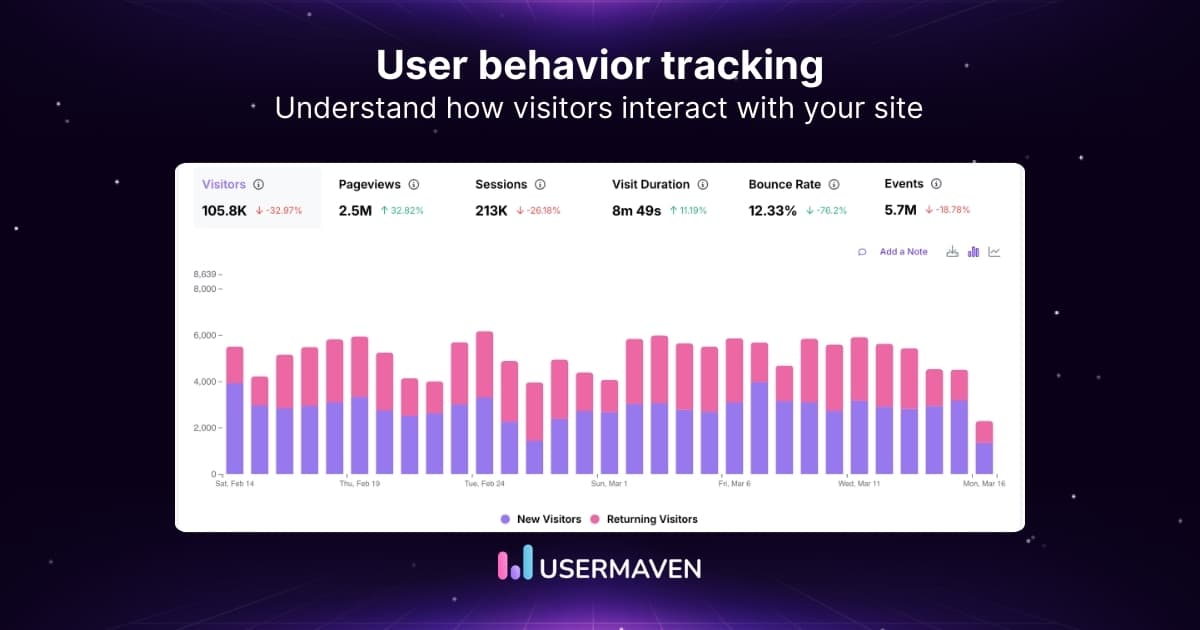
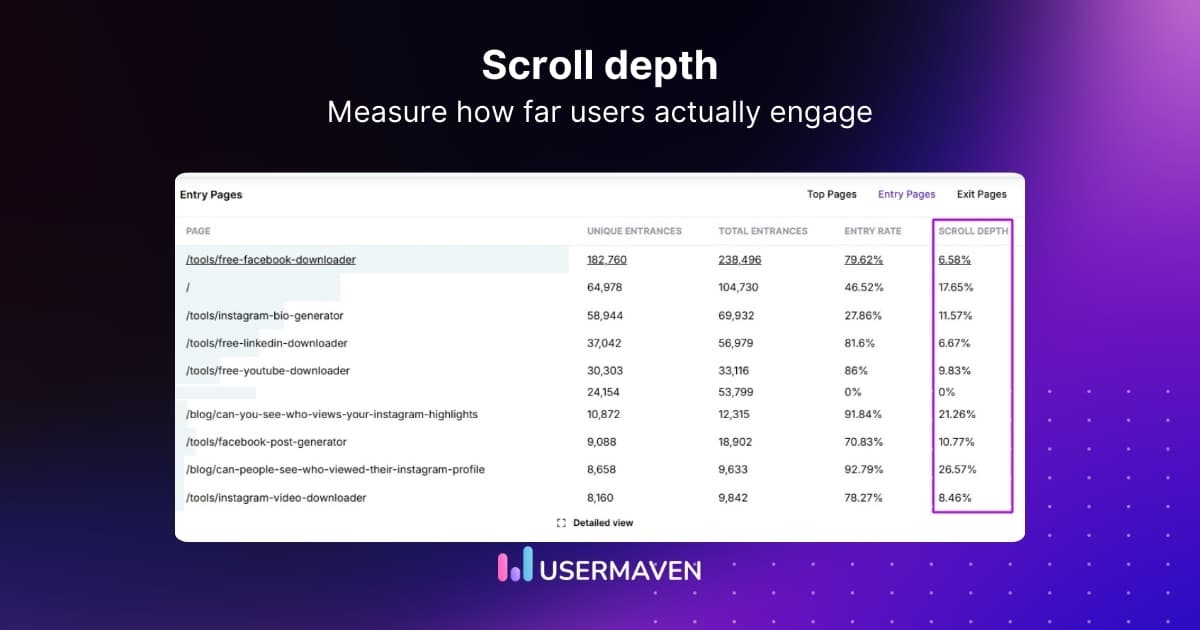
Behavioral analytics pivots on collecting detailed user data, such as clicks, page views, time on certain elements, and user paths through a digital platform. When combined with traits like demographics or device details, this data forms a comprehensive perspective on each interaction.
How does this compare to approaches like traditional web analytics or business analytics?
Traditional web analytics often sticks to top-level metrics such as page views or bounce rates, while business analytics focuses on metrics like profit or market share. Understanding website metrics is crucial for effective analysis. By contrast, behavioral analytics dives into fine-grained interactions to reveal how users move their mouse, where they pause, and which elements spark the most interest. Product analytics operates in a similar realm but usually zeroes in on feature usage analysis within a product, not the broader set of user interactions across marketing and support channels.

Data collected for behavioral analytics can include everything from scroll patterns to form entries. Researchers often track these categories:
- Clickstream data showing page sequences and elements clicked.
- Session frequency and duration details.
- Use patterns for features.
- Navigation steps within apps or websites.
- Form field completion rates.
- Search queries and how users respond to the results.
- Social media activity is tied to brand engagement.
- Support tickets submitted and how users describe their issues.
By methodically studying these data points, organizations better understand user actions and can make well-supported improvements to their digital experiences.
Common use cases and applications of behavioral analytics
Behavioral analytics is key in optimizing user experiences across industries. In e-commerce, it helps identify checkout pain points and personalize recommendations. In business, it aids in feature optimization and retention, while marketing uses it to create targeted campaigns. Now, let’s look at how these insights apply in different sectors.
E-commerce applications
In online retail, behavioral analytics is central to improving customer engagement and driving sales. One everyday application is studying cart abandonment. By observing user behavior leading up to a dropped cart, online stores can identify pain points in the checkout steps. In some cases, requiring account creation prompts shoppers to leave, so offering a guest checkout can address this.
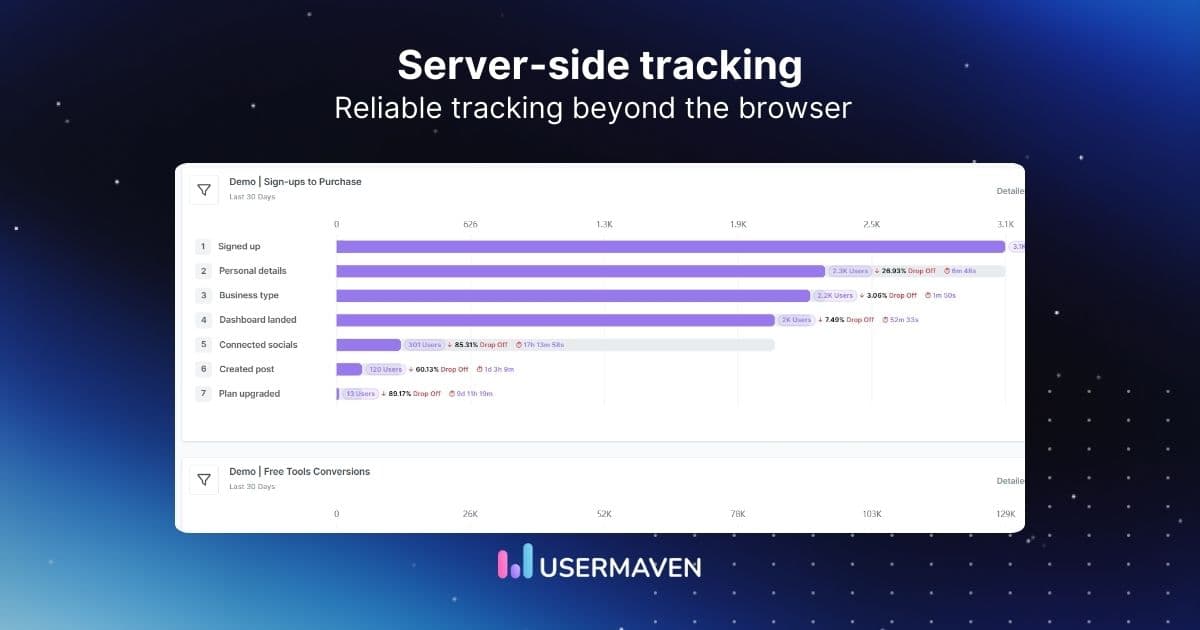
Another strategy is serving personalized suggestions based on browsing and purchase records. This type of suggestion can boost average order value and keep customers returning. For a deeper optimization effort, e-commerce teams map each step from the first site visit to checkout. If they notice that visitors are consistently dropping off on certain product pages, they might redesign those pages with more appealing visuals or clearer calls to action.
Business applications
Beyond retail, behavioral analytics offers significant operational insights. By tracking engagement with digital products or services, companies can see which features resonate with users. This reveals what draws consistent attention and what might be underutilized.
Customer retention analysis is also a major concern for many businesses. Examining the behaviors of loyal versus churned users can pinpoint the warning signs of potential departure. Some organizations address these patterns early by offering exclusive incentives or personal support. Security monitoring is another valuable application. If user behavior deviates sharply from established norms – like an employee accessing volumes of data during unusual hours – systems can quickly flag this for investigation.

Marketing applications
Behavioral analytics provides marketers with data-driven methods for optimizing campaigns. They can test different versions of emails or digital ads by monitoring click-through rates and conversions, discarding ineffective approaches in favor of those showing promise. Teams can also use to group customers based on behaviors rather than simple demographics. This might involve identifying people who regularly browse but rarely buy and then designing specific promotions or reminders for them.
Updated

Written by
Adeel Khan
Growth Marketing Expert
Adeel Khan is a full-stack SaaS marketer with 10+ years of experience in content marketing, paid advertising, analytics, and conversion rate optimization. He shares practical insights and strategies drawn from hands-on experience, helping B2B SaaS marketers improve performance and make better marketing decisions.
All articles by Adeel →