 Is your tracking broken? Fix with Measurement Trust Center.Explore now →
Attribution
Multi-touch attribution, campaign measurement, and connecting marketing spend to revenue without guesswork.
Articles
Attribution
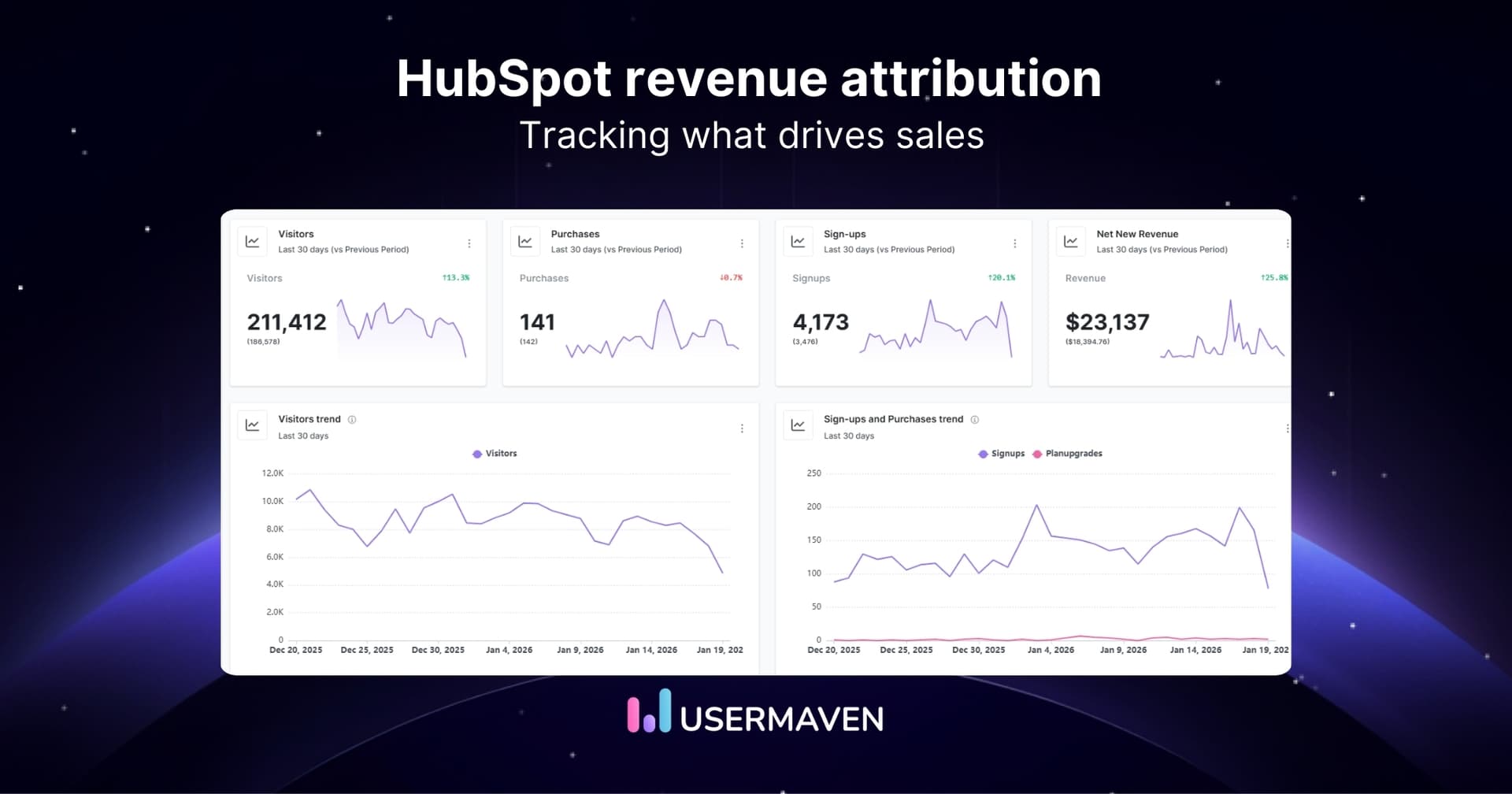
HubSpot revenue attribution: Setup, models & limits
HubSpot can show which marketing interactions receive credit for Closed Won deal revenue, but the report is only as reliable as the contact, deal, tracking, and association data underneath it. That matters because HubSpot changed both its attribution terminology and model set in 2026. What many teams still call Revenue Attribution is now documented as […]
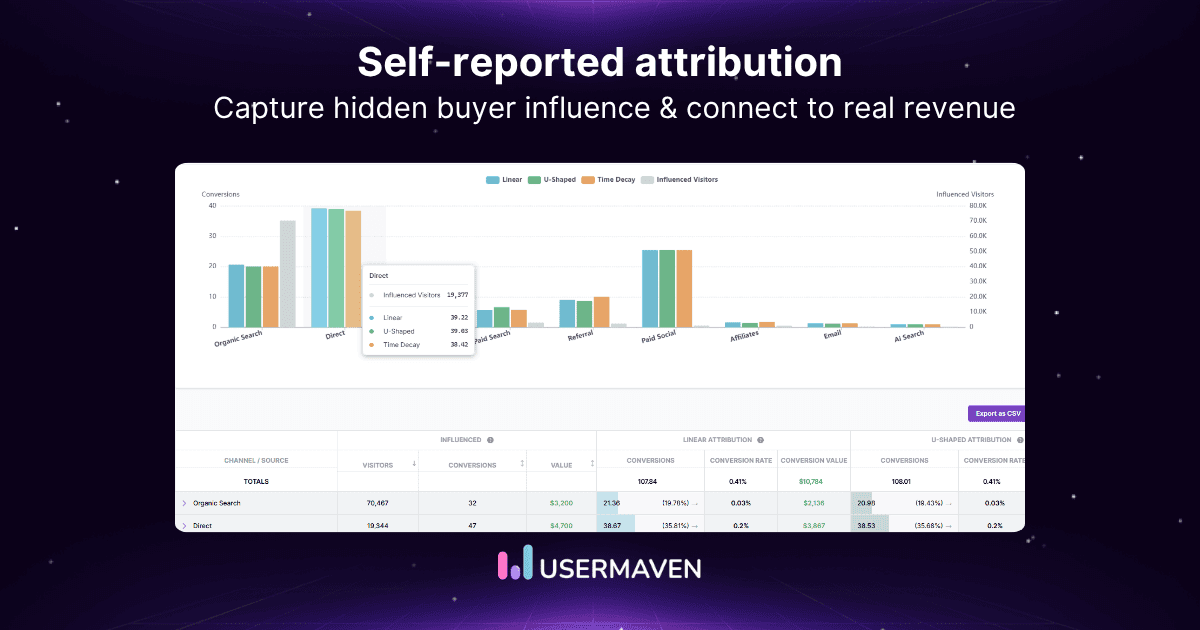
Self-reported attribution: What it is & how to use it
Analytics says a buyer came from branded Google search. On the demo form, the buyer writes that they first heard about the company on a podcast. Neither answer has to be wrong. One records an observable visit; the other records what the buyer remembers. Self-reported attribution is useful precisely because important discovery often happens where […]
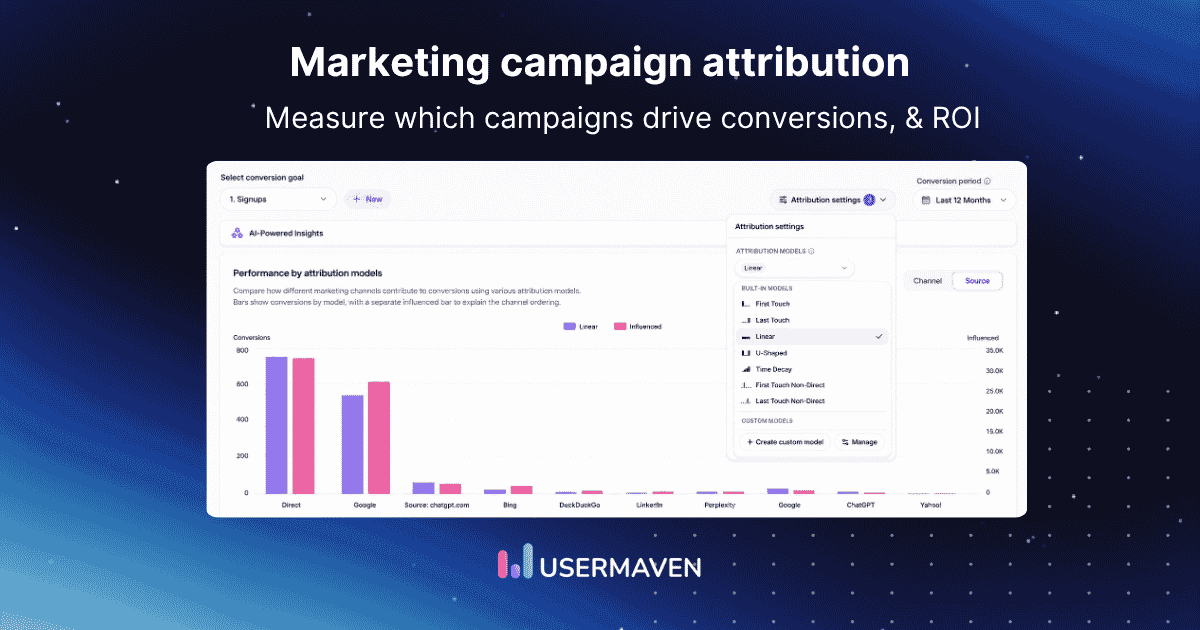
Marketing campaign attribution: Measure campaign impact
Google says Campaign A drove 40 conversions. Meta says Campaign B drove 35. LinkedIn claims another 20, yet the backend records only 80 customers. Different platforms can be internally consistent while still claiming overlapping credit. Marketing campaign attribution solves a narrower problem than broad marketing attribution. It connects named campaigns with customer journeys and business […]
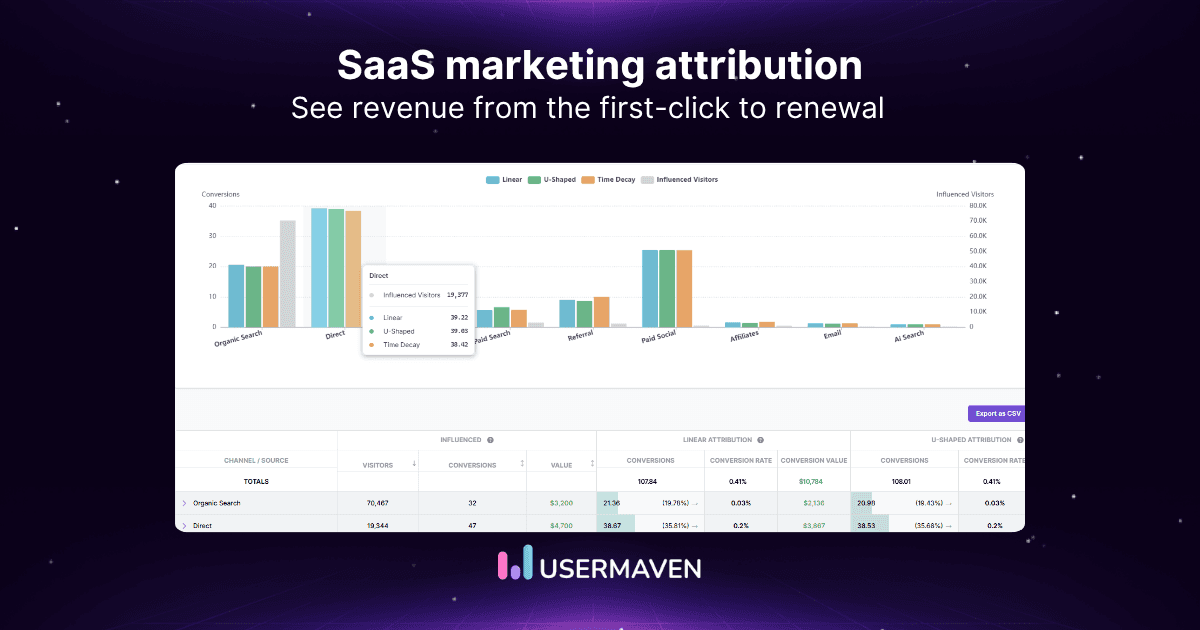
SaaS marketing attribution: Models, metrics & setup
A SaaS company closes two $40,000 deals. One customer later expands to $95,000 in annual revenue. The other churns after four months. An attribution report that stops at Closed Won would call those customers equally valuable. That is the core SaaS attribution problem. Marketing does not create value only at the first conversion. Acquisition quality […]
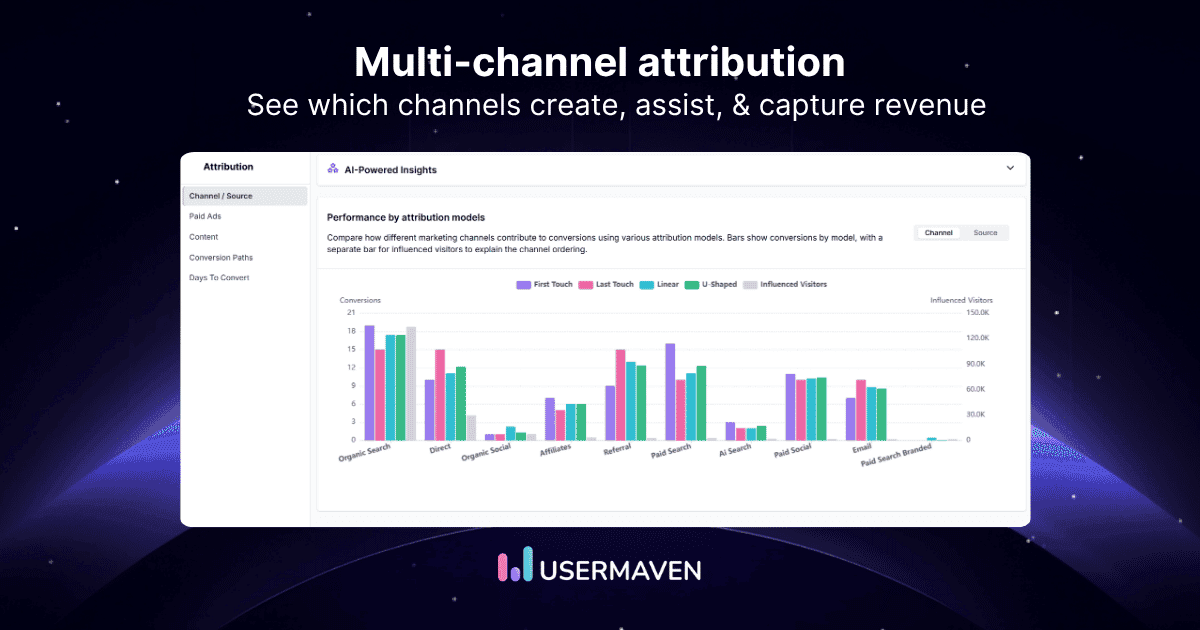
Multi-channel attribution: How to measure channel impact
A prospect sees a paid social ad, finds an organic article a week later, returns through email, searches the brand on Google, and finally converts from a direct visit. A last-touch dashboard can make Direct look like the winner even though several channels helped create and develop the demand. Multi-channel attribution measures how different marketing […]
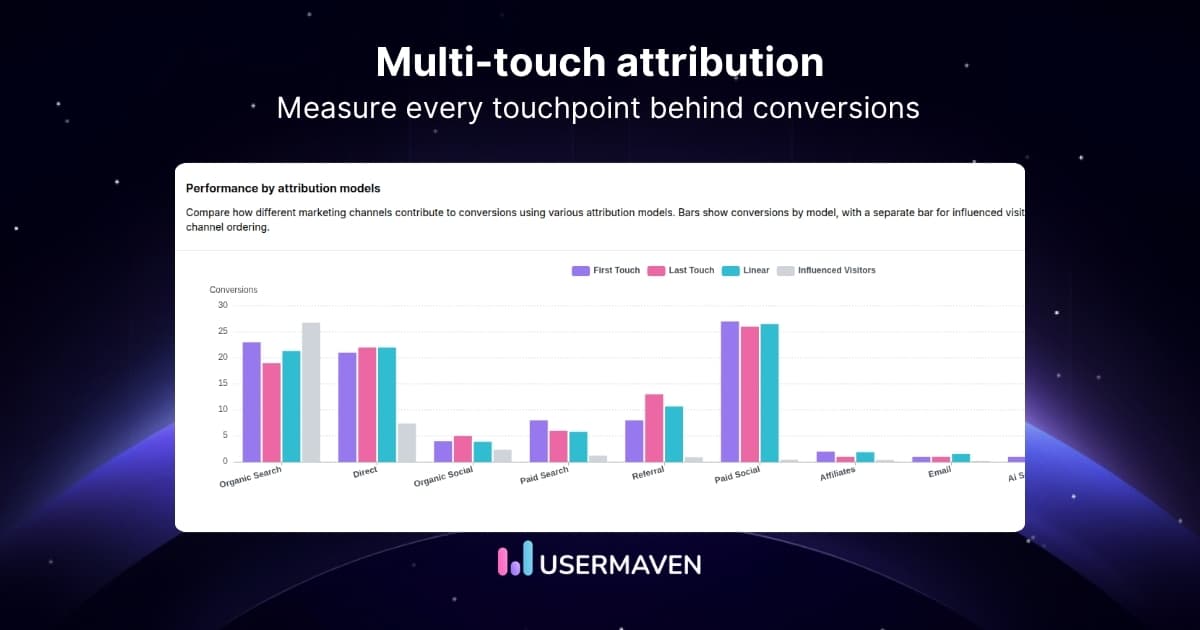
Multi-touch attribution: Models, examples & guide
Multi-touch attribution helps marketers understand how several interactions contribute before a customer converts instead of giving all the credit to one click. A strong marketing attribution software setup preserves those interactions long enough to evaluate how channels work together. But the model is only as reliable as the journey underneath it. Missing touchpoints, broken identity […]
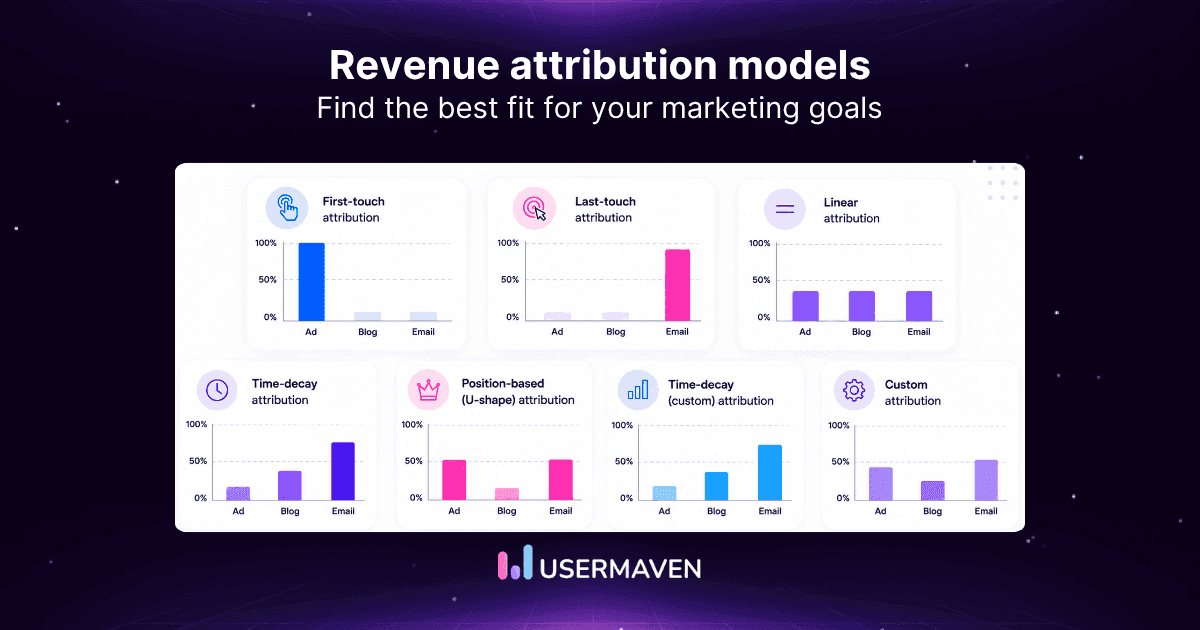
Revenue attribution models: How to choose the right model for your business
A $10,000 deal closes, and three different reports claim three different channels deserve the credit. That’s the daily reality for marketing teams comparing attribution numbers after every closed-won deal. The problem gets worse as customer journeys stretch across five, ten, or more touchpoints before a prospect ever signs a contract. Picking the wrong revenue attribution […]
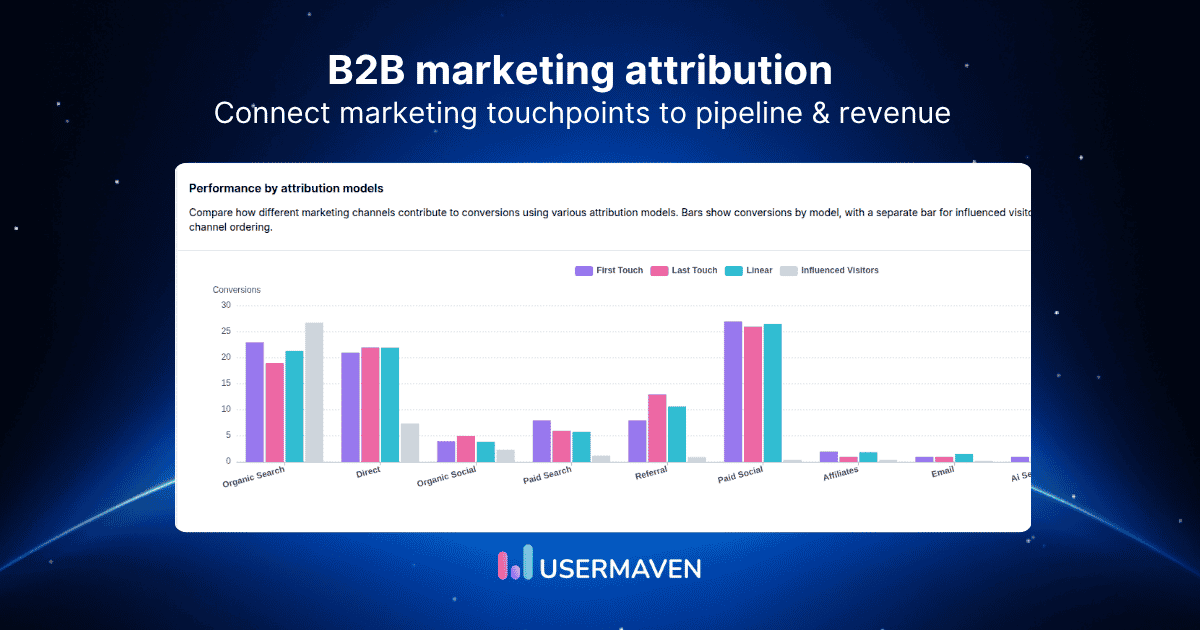
B2B marketing attribution: Models, metrics & how it works
B2B marketing attribution is harder than assigning revenue to the ad or page that came before a conversion. One deal can involve several people, dozens of interactions, a long sales cycle, offline conversations, and a CRM opportunity that appears months after the first website visit. The challenge is connecting those recorded interactions across people, accounts, […]
HubSpot vs. Salesforce attribution: Models, data & revenue
HubSpot and Salesforce can both connect marketing activity with CRM revenue, but they do it through very different attribution architectures. That difference affects what gets tracked, which records receive credit, and how much setup the marketing team needs. HubSpot is generally easier for marketing-led attribution because interactions, contacts, deals, and revenue live in one reporting […]
Showing 9 of 109 articles
Load more articles