Generating leads today isn’t the hard part. Generating the right leads is.
Most teams collect form fills, demo requests, and sign-ups, yet still struggle to answer basic questions. Which channel brings qualified leads? Where do prospects drop off? And which touchpoints actually influence conversion?
That gap between activity and insight is where lead generation often breaks down. Without visibility into funnels, attribution, and user journeys, teams end up guessing instead of optimizing.
That’s why lead generation tools have evolved far beyond simple forms and pop-ups. Modern tools now help track user behavior, connect marketing efforts to outcomes, and reveal what’s really driving growth.
Below, we break down what lead generation tools are, why they matter in 2026, and which tools help teams, brands, and marketers turn lead data into action.
What are lead generation tools?
Lead generation tools are platforms that help businesses attract potential customers and capture their information. They track how people interact with your website, product, or campaigns and help turn that interest into leads.
Modern lead generation tools do more than collect emails or form fills. They show how leads move through your funnel, which channels bring qualified prospects, and what actions lead to conversion.
Whether it’s tracking website visits, hosting webinars, enriching contact data, or analyzing multiple touchpoints, these tools help teams understand where leads come from and how to convert them more effectively.
Why lead generation tools matter
Modern buying journeys are longer, multi-channel, and non-linear. Lead generation tools help teams make sense of that complexity by:
- Capturing leads across multiple channels and touchpoints
- Tracking user behavior throughout the funnel
- Identifying high-intent and qualified leads
- Connecting marketing efforts to real conversions
- Improving alignment between marketing, sales, and product teams
Without the right tools, it becomes nearly impossible to scale lead generation predictably or optimize for quality over quantity.
Best lead generation tools for 2026
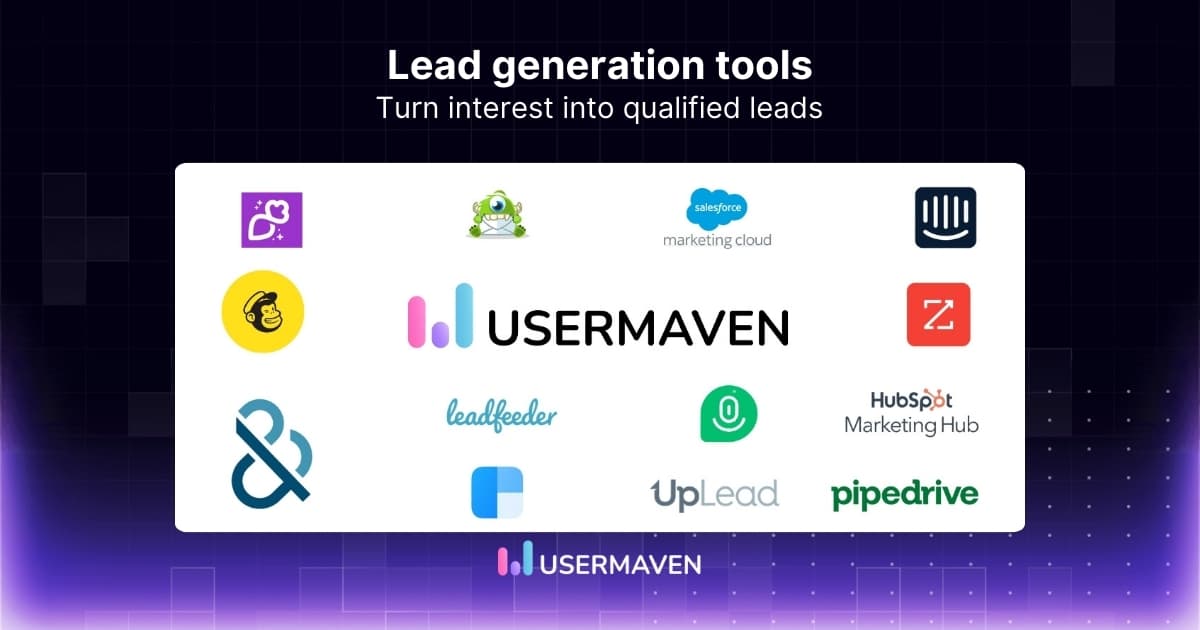
Below is a list of well-known lead generation tools. It starts with an all-in-one analytics and attribution platform, followed by other widely used tools for capturing, tracking, and managing leads.
1. Usermaven
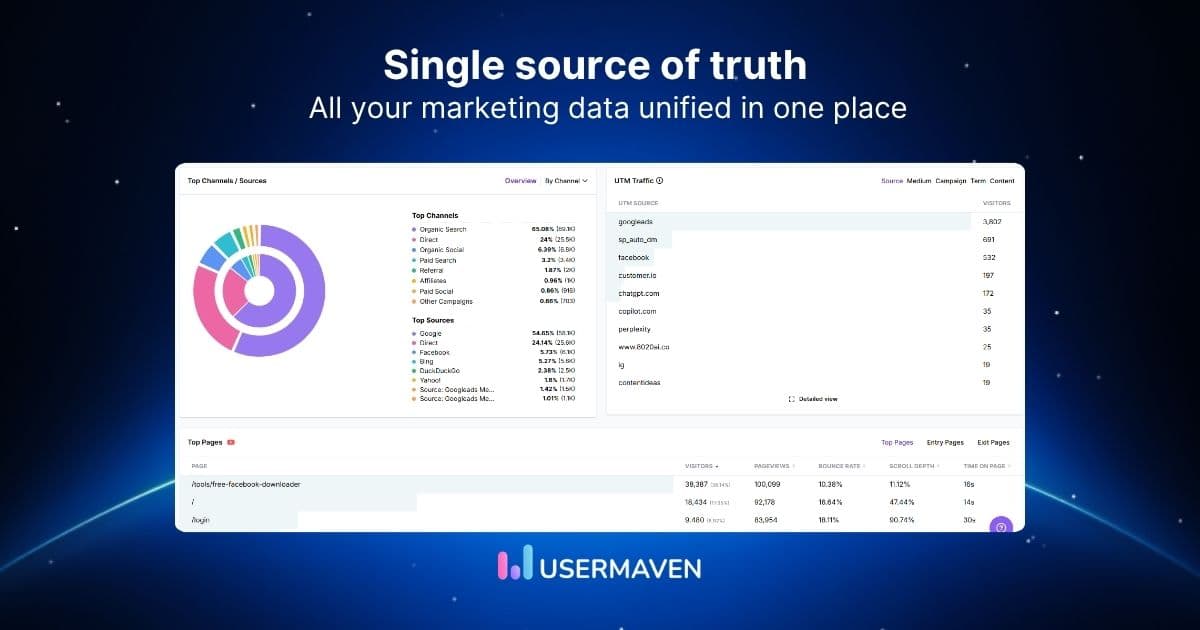
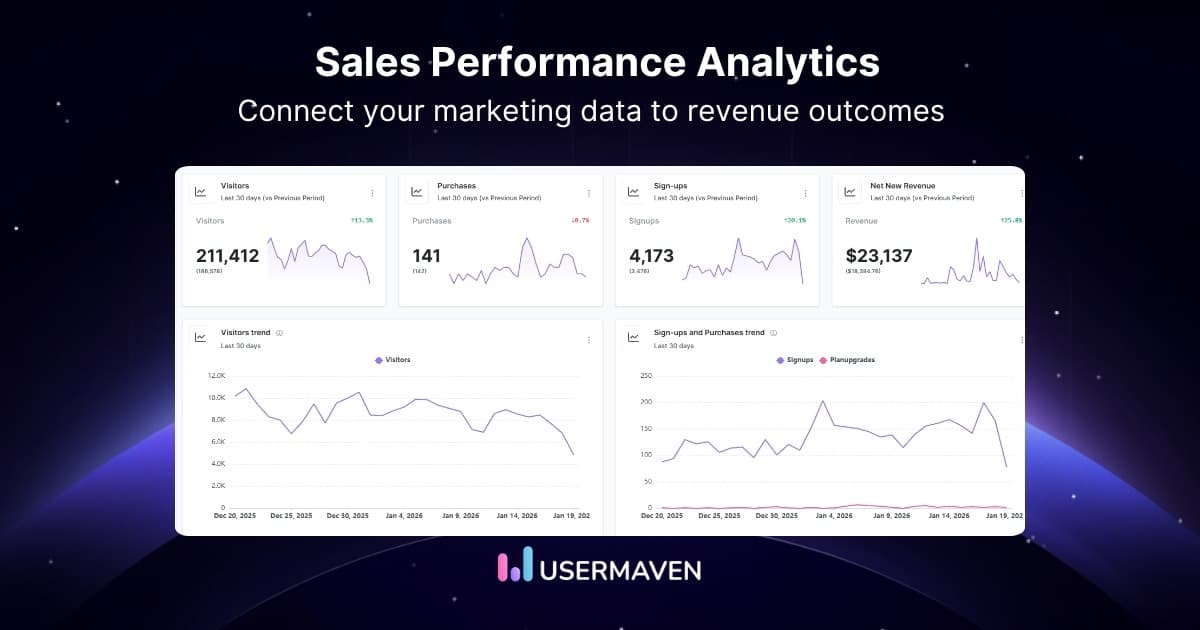
Usermaven helps marketing and product teams understand how leads move through their funnel, which touchpoints influence conversion, and where qualified leads come from.
Instead of looking at isolated events, it shows the full journey. From the first visit to sign-up or conversion, teams can see what users do, where they drop off, and which touchpoints influence decisions.
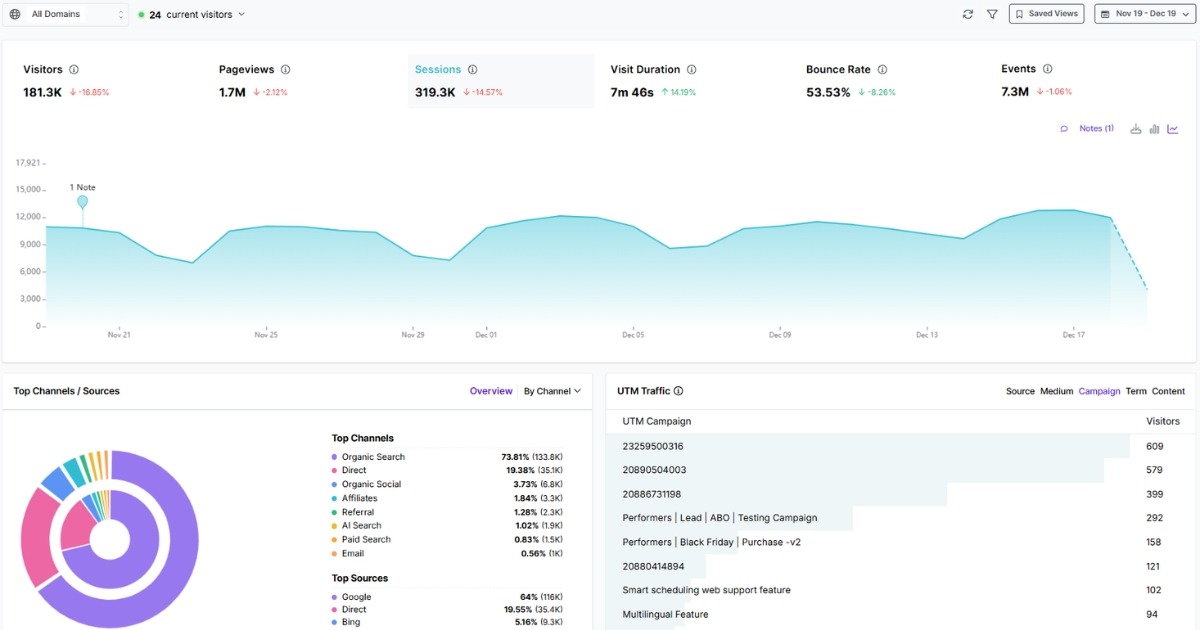
Core capabilities include:
- Website and product analytics with real-time data
- Funnel tracking to see where leads drop off
- Multi-touch attribution with 7 models to understand channel impact
- User journey tracking across pages, sessions, and campaigns
- A Contacts Hub to view activity at the lead level
What makes Usermaven stand out is its focus on accuracy and simplicity. It bypasses ad blockers to deliver 99% data accuracy, supports no-code event tracking with auto-tracked, pinned, and custom events, and can be set up in under five minutes.
The attribution layer is especially valuable for lead generation teams. Usermaven tracks every touchpoint across channels, showing which campaigns, pages, and content actually contribute to conversions. It also reveals the full conversion path and time to convert, helping teams understand what influences decision-making.
Usermaven is also privacy-centric, offering cookieless tracking and full GDPR compliance, making it a strong choice for teams operating in privacy-conscious environments. Dashboards are designed for non-technical teams, and integrations with CRMs and marketing tools make it easy to operationalize insights.
Best for: SaaS companies, ecommerce brands, and B2B marketers who need end-to-end visibility into lead generation, funnels, and attribution.
2. Salesforce Marketing Cloud
Salesforce Marketing Cloud is an enterprise-level platform used to manage lead generation and customer engagement across multiple channels. It is built for teams that need to run large-scale campaigns while keeping marketing and sales data connected.
The platform brings together email marketing, automation, personalization, and customer data in a single ecosystem, closely tied to Salesforce CRM.
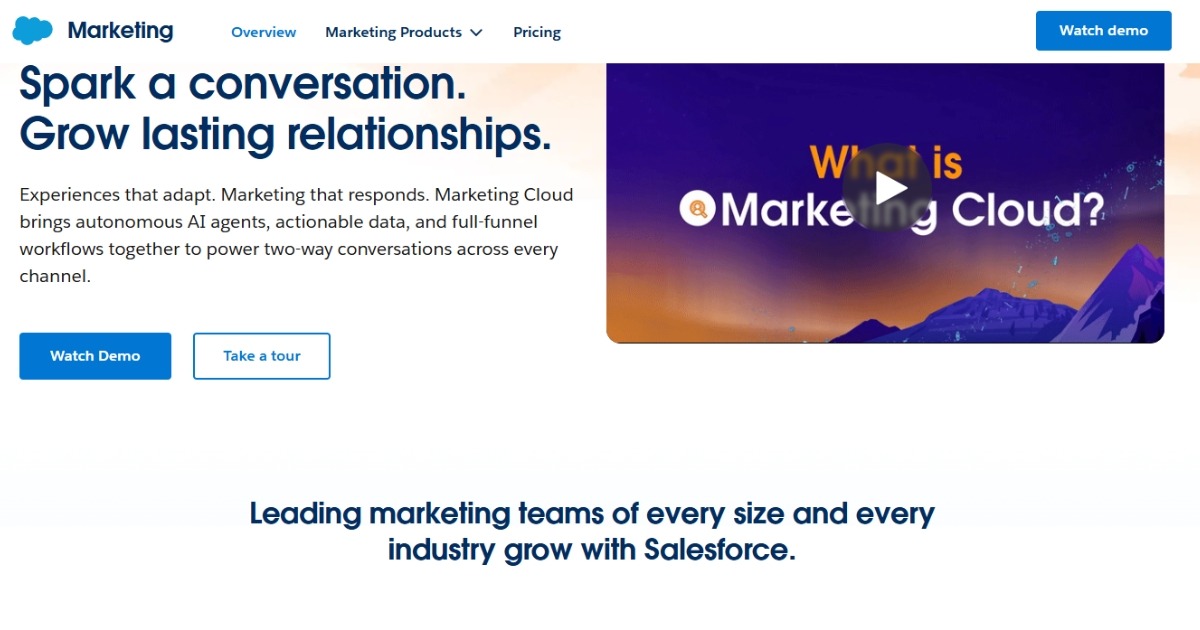
Key capabilities include:
- Email marketing and campaign management at scale
- Marketing automation for lead nurturing and follow-ups
- Personalization using customer data and behavior
- Multi-channel campaign support across email, web, mobile, and ads
- Native integration with Salesforce CRM for lead and customer data
Salesforce Marketing Cloud is designed for complex workflows and long sales cycles. It allows teams to coordinate campaigns across departments and track how leads move from marketing to sales.
Because of its depth, setup, and management usually require dedicated resources or technical support. It works best when fully integrated into the Salesforce ecosystem.
Best for: Large teams and enterprises with complex sales cycles and deep Salesforce adoption.
3. HubSpot Marketing Hub
HubSpot Marketing Hub is a widely used lead generation platform that helps teams attract, capture, and nurture leads in one place. It combines inbound marketing tools with built-in CRM features to keep lead data organized and accessible.
The platform is designed to be easy to use while still offering enough flexibility to support growing marketing teams.
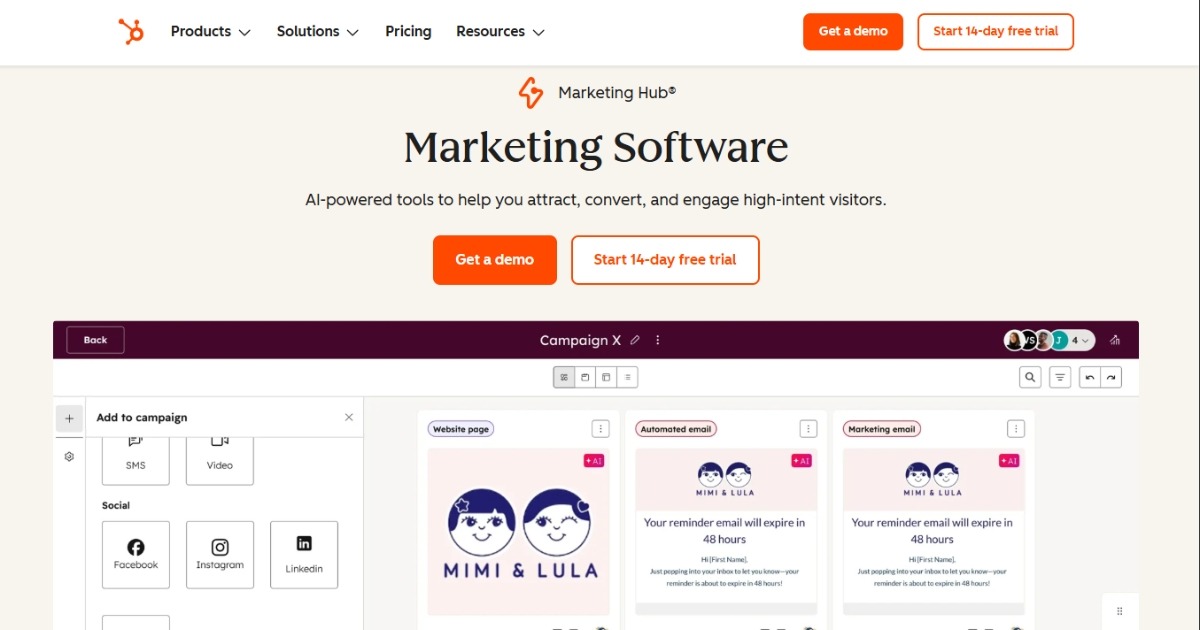
Key capabilities include:
- Lead capture through forms, pop-ups, and landing pages
- Email marketing and automated lead nurturing workflows
- Built-in CRM to store and manage lead information
- Lead scoring to identify high-intent prospects
- Campaign tracking and basic performance reporting
HubSpot focuses on inbound lead generation, helping teams attract leads through content, SEO, and email rather than outbound-heavy tactics. Marketing and sales teams can share the same view of lead activity, which improves alignment and follow-up.
LinkedIn prospecting is one area where it has always been limited, though. Hublead is worth a look if your team gets a lot of leads from there. It’s a Chrome extension that lets you connect LinkedIn to HubSpot. With just one click, reps can sync contacts, messages, and InMails directly into the CRM without having to copy and paste or switch tabs.
While HubSpot is easy to get started with, costs can increase as contact lists grow or advanced features are added.
Best for: SMBs and mid-market teams looking for an all-in-one inbound lead generation solution.
4. Leadfeeder
Leadfeeder helps you see which companies visit your website, even if they don’t fill out a form. It turns anonymous traffic into potential leads by matching visits with company data.
This helps sales and marketing teams understand interest before a lead converts.
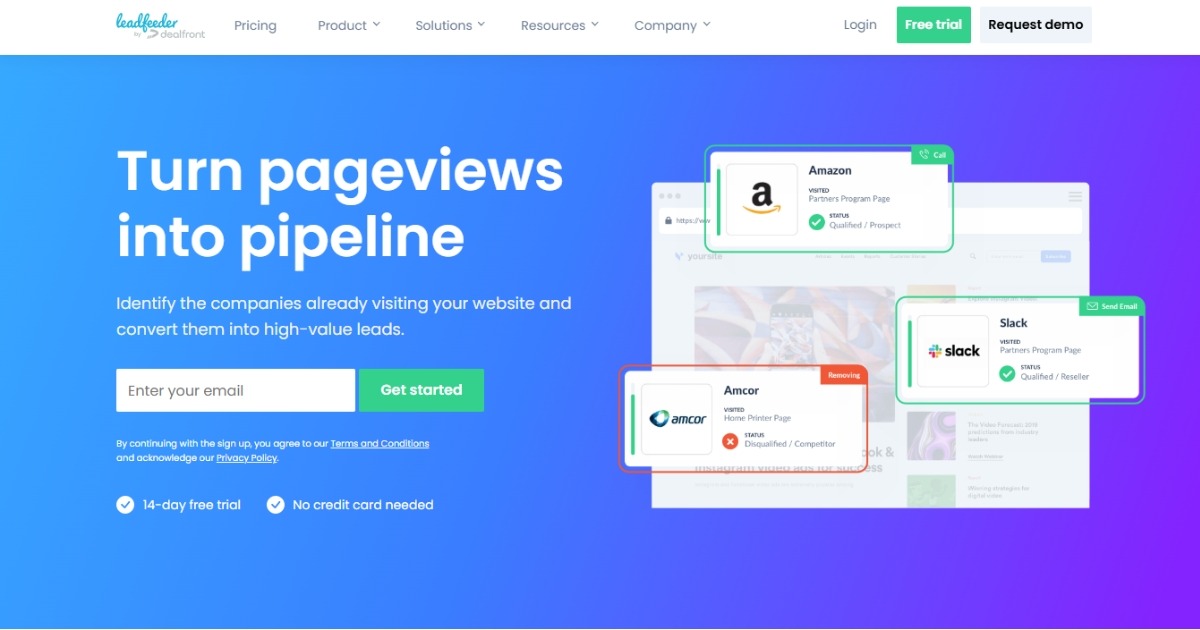
Key capabilities include:
- Shows companies that visit your website
- Tracks which pages those companies view
- Connects visits to firmographic data
- Integrates with CRMs and sales tools
- Helps teams prioritize high-interest accounts
Leadfeeder is useful when website traffic is high but form fills are low. It gives teams more context about who is showing interest and when to follow up.
Best for: B2B teams focused on account-based lead generation.
5. UpLead
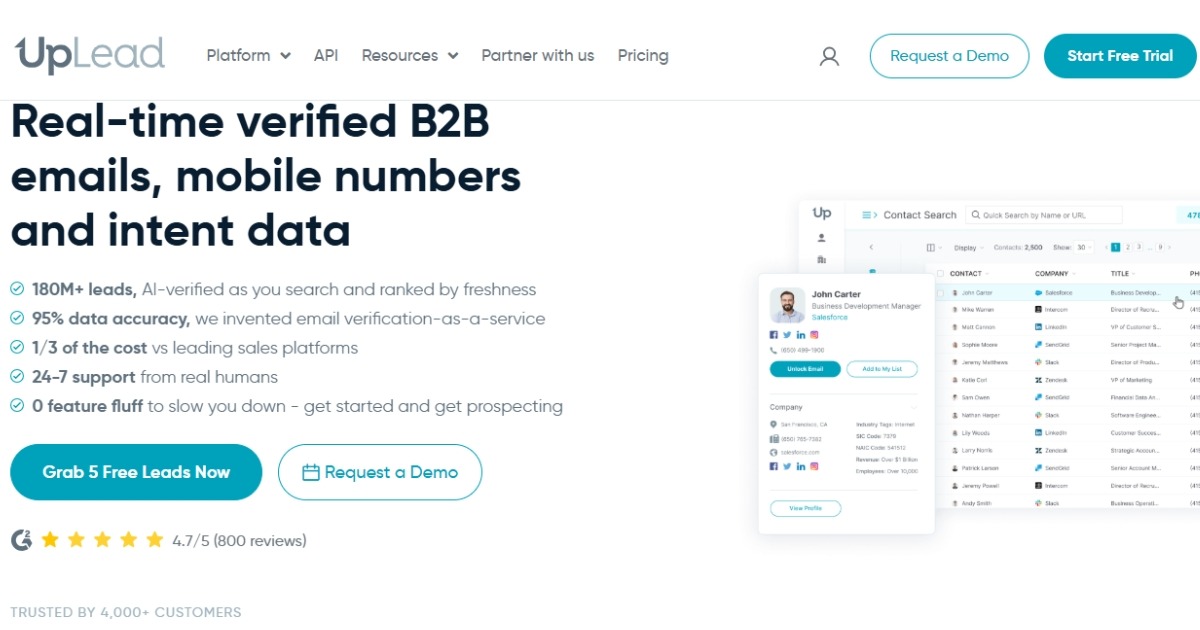
UpLead is a B2B lead data and enrichment tool. It helps teams find and verify contact information for potential customers.
The platform focuses on data accuracy, so teams can reach the right people with less wasted outreach.
Key capabilities include:
- Access to verified B2B contact data
- Email and company information for prospects
- Real-time email verification
- Lead list building and export options
- CRM integrations for easy syncing
UpLead is mainly used for outbound lead generation. It helps sales teams build clean lead lists and avoid invalid contacts.
Best for: Sales and outbound teams that need accurate B2B lead data.
6. Intercom
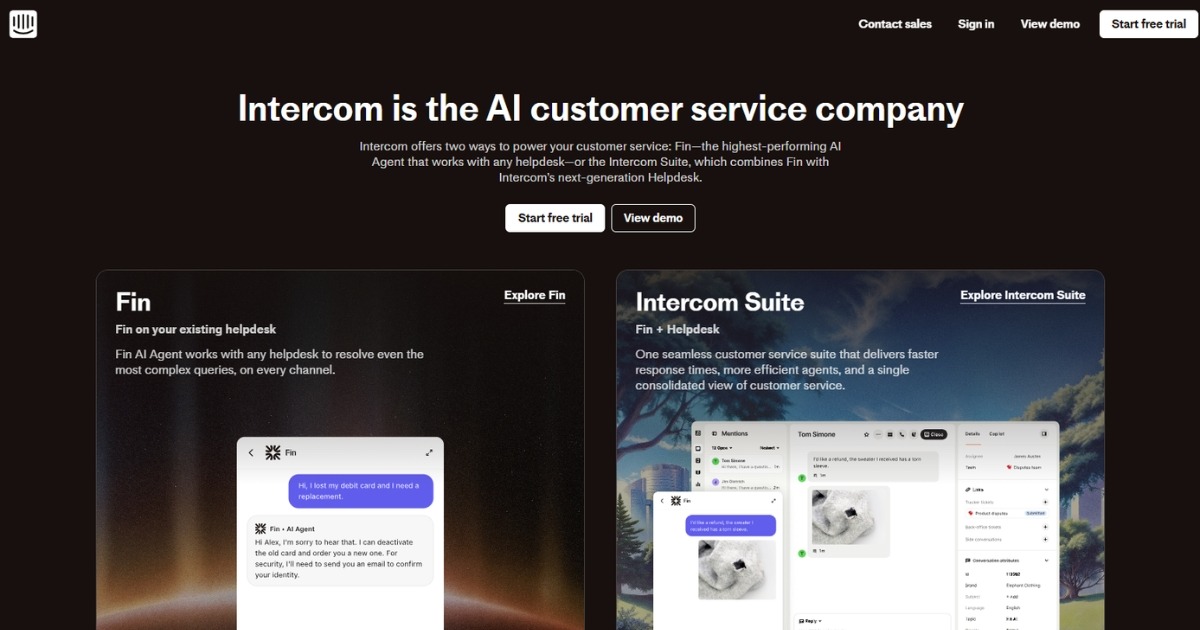
Intercom is a messaging platform that helps teams capture and qualify leads through chat. It allows businesses to talk to visitors and users in real time.
Conversations can be handled by chatbots or by sales and support teams.
Key capabilities include:
- Live chat on websites and inside products
- Chatbots to qualify and route leads
- Automated replies for common questions
- Lead routing to sales teams
- Conversation history for each lead
Intercom helps teams engage leads at the right moment. It reduces delays and improves response times.
Best for: SaaS teams focused on conversational lead generation.
7. Demio
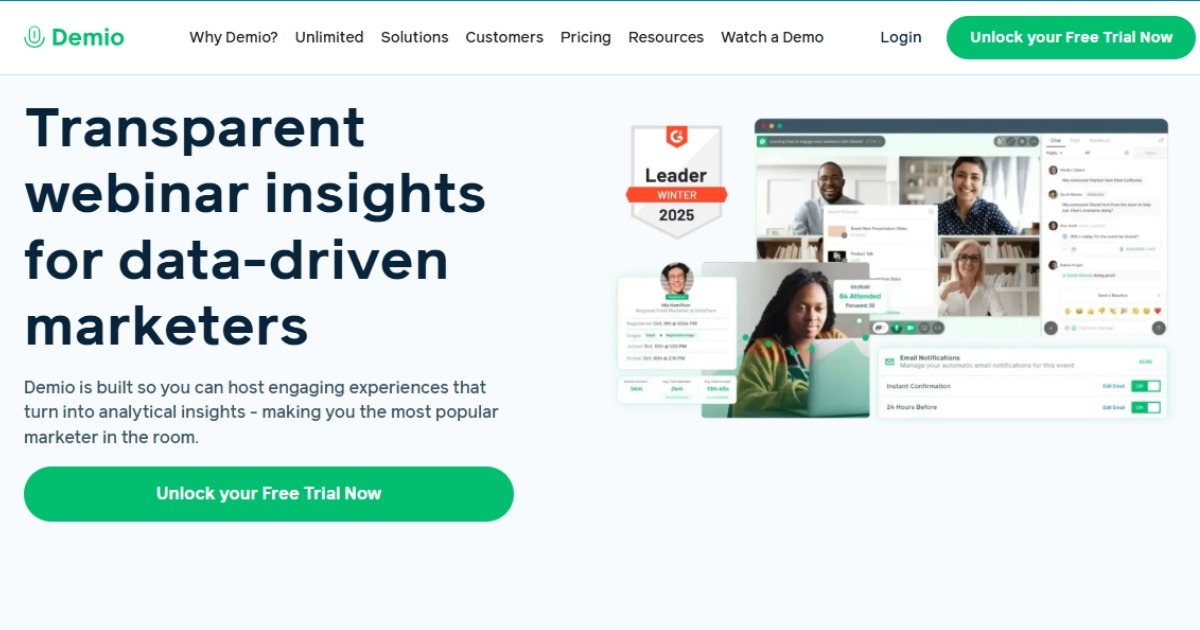
Demio is a webinar platform used to generate and nurture leads through online events. It supports live, automated, and on-demand webinars.
The platform is easy to set up and does not require technical knowledge.
Key capabilities include:
- Live and on-demand webinars
- Registration pages for lead capture
- Engagement tools like polls and chat
- Post-webinar follow-up options
- CRM and marketing tool integrations
Demio works well for teams that use webinars to educate prospects and collect qualified leads.
Best for: B2B marketers using webinars to generate leads.
8. Overloop
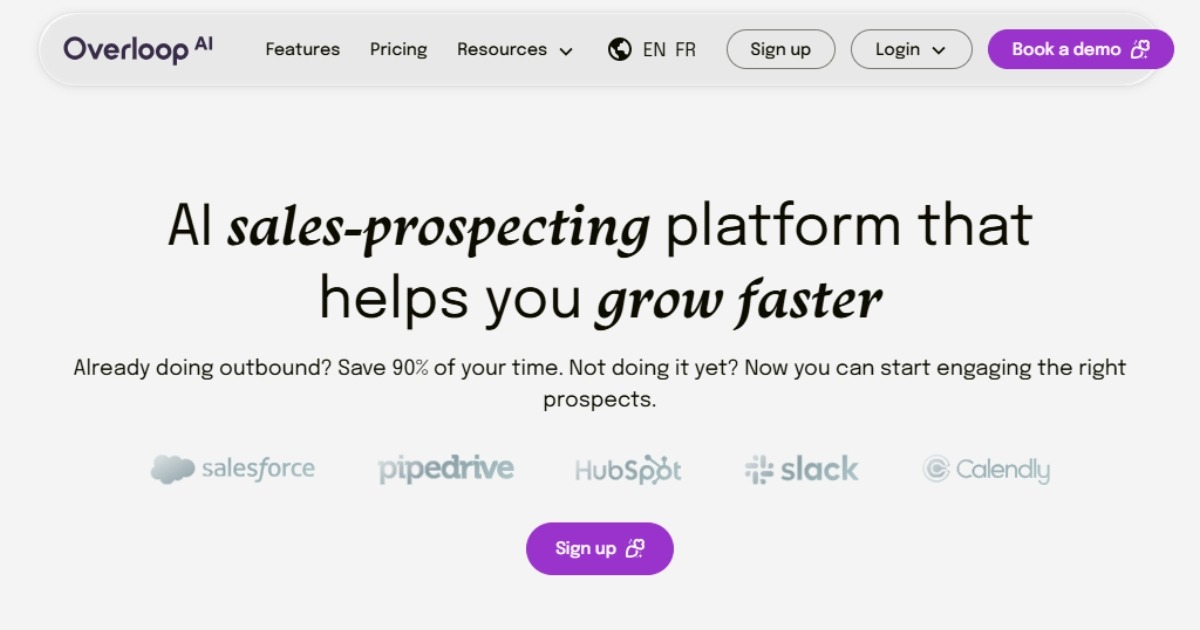
Overloop is a sales engagement tool built for outbound lead generation. It helps teams find prospects, reach out through email, and manage follow-ups in one place.
The platform is designed to support structured outreach while keeping communication personal.
Key capabilities include:
- Email outreach and follow-up sequences
- Contact and lead management
- Basic CRM features for tracking conversations
- Task management for sales teams
- Integrations with CRMs and email tools
Overloop is useful for teams running outbound campaigns who want better control over follow-ups and lead status without switching between tools.
Best for: Sales teams running personalized outbound lead generation.
9. Dun & Bradstreet Hoovers
Dun & Bradstreet Hoovers is a company intelligence platform that helps teams find and qualify business leads. It provides detailed data about companies and industries.
This information helps teams focus on the right accounts and make informed outreach decisions.
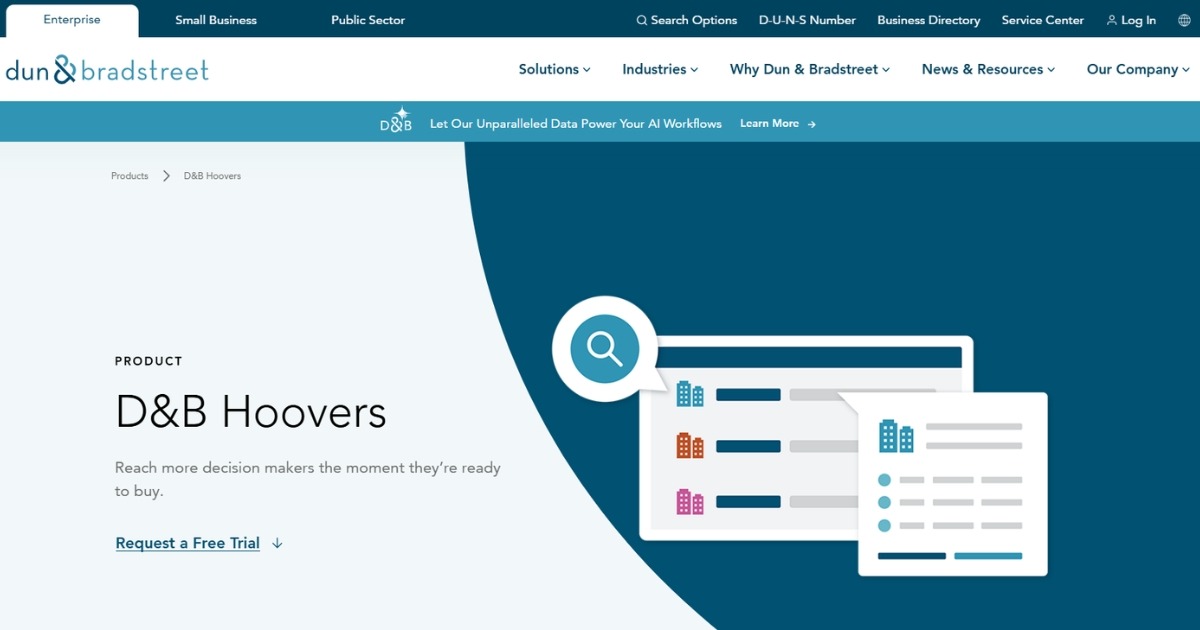
Key capabilities include:
- Company profiles with firmographic data
- Industry and financial insights
- Account targeting and prospecting tools
- Support for account-based marketing
- Integrations with CRM systems
Hoovers is often used in enterprise environments where lead quality and company-level insights matter more than volume.
Best for: Enterprise sales and marketing teams targeting large accounts.
10. Clearbit
Clearbit is a data enrichment tool that adds more context to leads and accounts. It helps teams understand who their leads are and how to personalize outreach.
Clearbit works alongside CRMs and marketing platforms to keep lead data up to date.
Key capabilities include:
- Real-time lead and account enrichment
- Firmographic and demographic data
- Improved lead segmentation
- Better targeting for campaigns
- CRM and marketing tool integrations
Clearbit helps teams move beyond basic contact details and tailor messages based on company and user data.
Best for: Marketing and growth teams focused on segmentation and personalization.
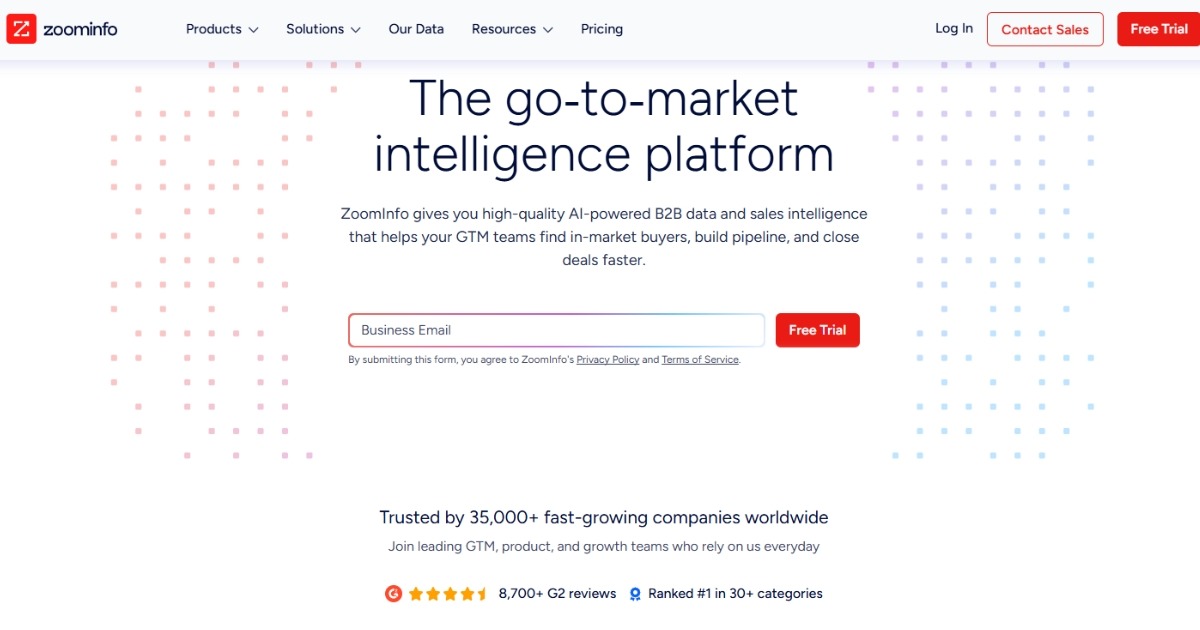
11. ZoomInfo
ZoomInfo is a B2B data platform used to find, enrich, and prioritize leads. It provides access to a large database of companies and decision-makers.
Sales and marketing teams use ZoomInfo to identify prospects and understand buying intent.
Key capabilities include:
- Large B2B contact and company database
- Firmographic and role-based data
- Intent signals to spot active buyers
- Lead enrichment for existing records
- CRM and sales tool integrations
ZoomInfo is commonly used for outbound and sales-led growth, especially when lead volume and targeting matter.
Best for: Sales-led teams running high-volume outbound campaigns.
12. OptinMonster
OptinMonster is a lead capture tool that helps convert website visitors into leads. It uses on-site messages like pop-ups and banners to collect email addresses and sign-ups.
The platform focuses on timing and behavior-based targeting.
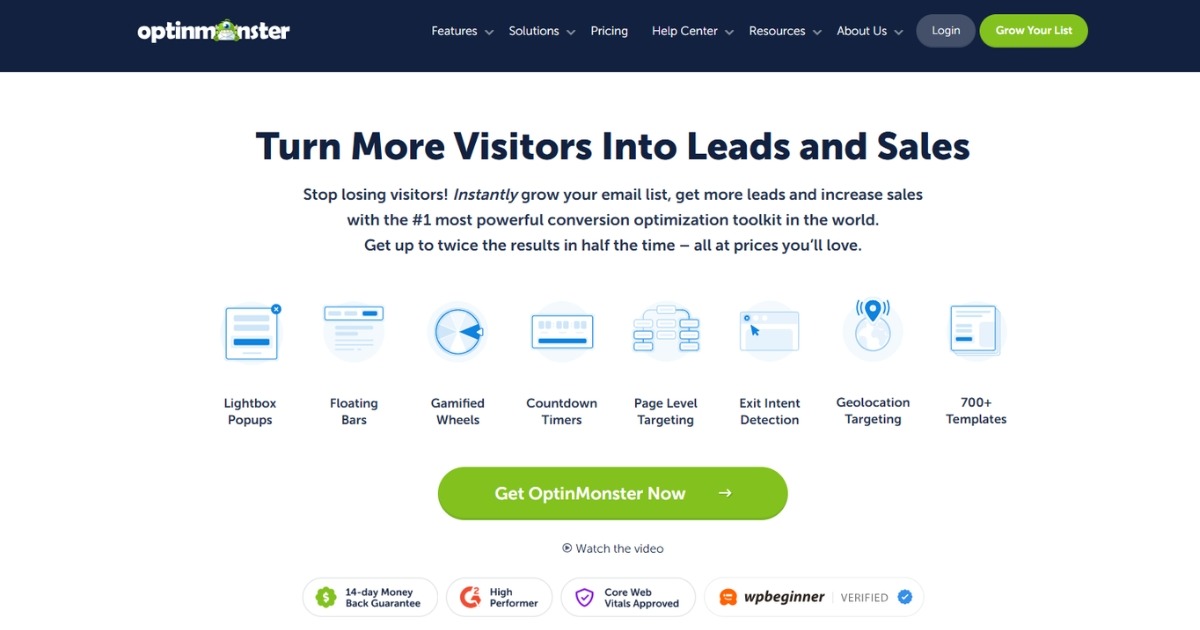
Key capabilities include:
- Pop-ups, slide-ins, and embedded forms
- Behavior-based targeting and triggers
- A/B testing for lead capture campaigns
- Page-level and audience targeting
- Integration with email marketing tools
OptinMonster is useful for improving conversion rates without changing website content.
Best for: Ecommerce brands and content-focused websites.
13. Drift
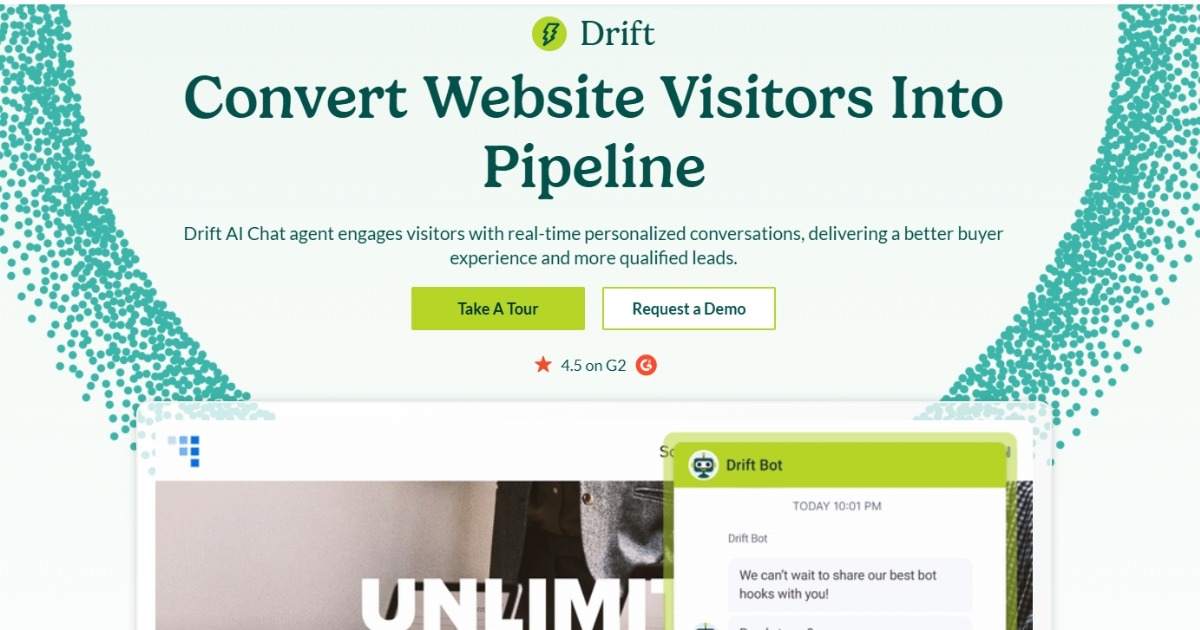
Drift is a conversational marketing platform that uses chat to engage and qualify leads in real time. It helps teams talk to visitors at the moment of interest.
Chatbots handle early questions, while sales teams step in for high-intent leads.
Key capabilities include:
- Live chat and chatbot conversations
- Lead qualification and routing
- Meeting scheduling within chat
- Account-based messaging
- CRM and sales integrations
Drift helps reduce response time and move leads faster through the funnel.
Best for: B2B teams looking to shorten sales cycles.
14. Pipedrive
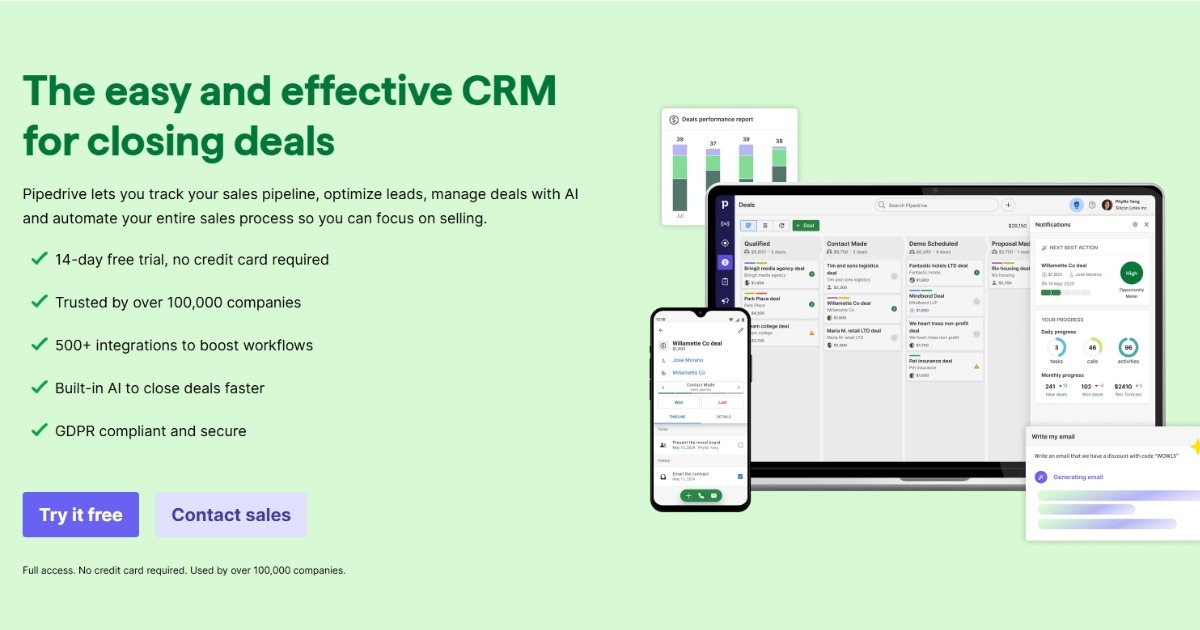
Pipedrive is a CRM built to help teams track leads and manage sales pipelines. It gives a clear view of where each lead stands in the sales process.
The tool focuses on simplicity and ease of use.
Key capabilities include:
- Visual sales pipelines
- Lead and deal tracking
- Activity and follow-up reminders
- Basic reporting and forecasting
- Email and CRM integrations
Pipedrive works well when lead volume is manageable and visibility matters more than advanced automation.
Best for: Small sales teams needing simple lead management.
15. Mailchimp
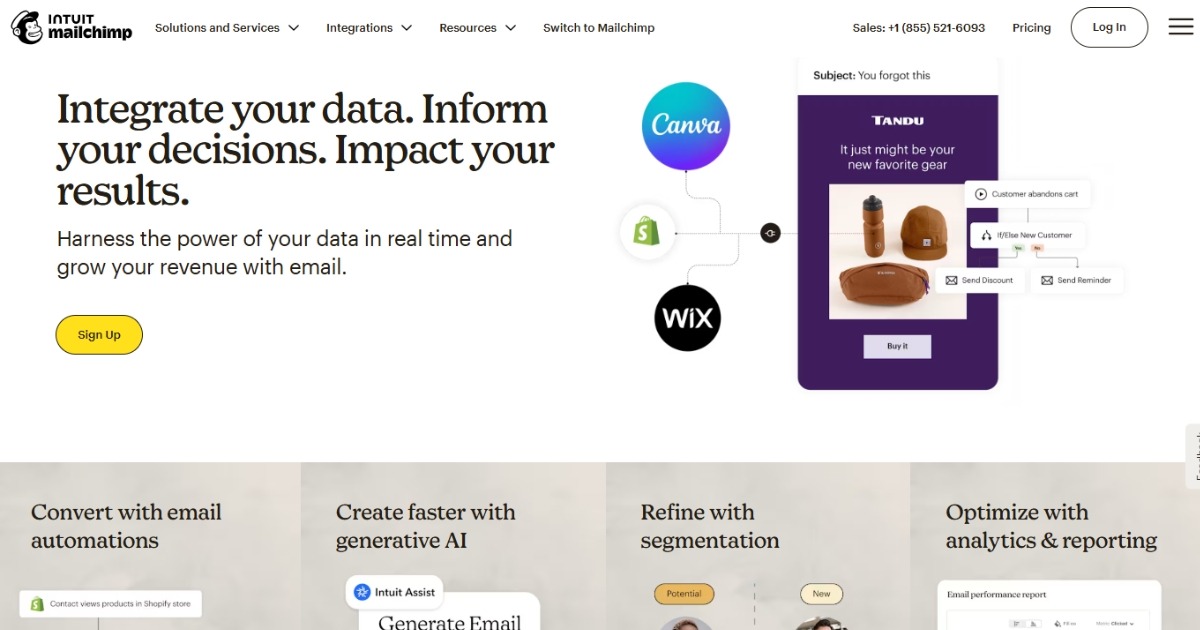
Mailchimp is an email marketing platform that also supports lead generation. It helps teams collect leads, send emails, and nurture audiences over time.
The platform is easy to use and widely adopted.
Key capabilities include:
- Email campaigns and newsletters
- Sign-up forms and landing pages
- Audience segmentation
- Basic automation workflows
- Reporting on email performance
Mailchimp is often used in early growth stages or content-led strategies where email plays a key role.
Best for: Early-stage teams and content-driven businesses.
16. HeyReach
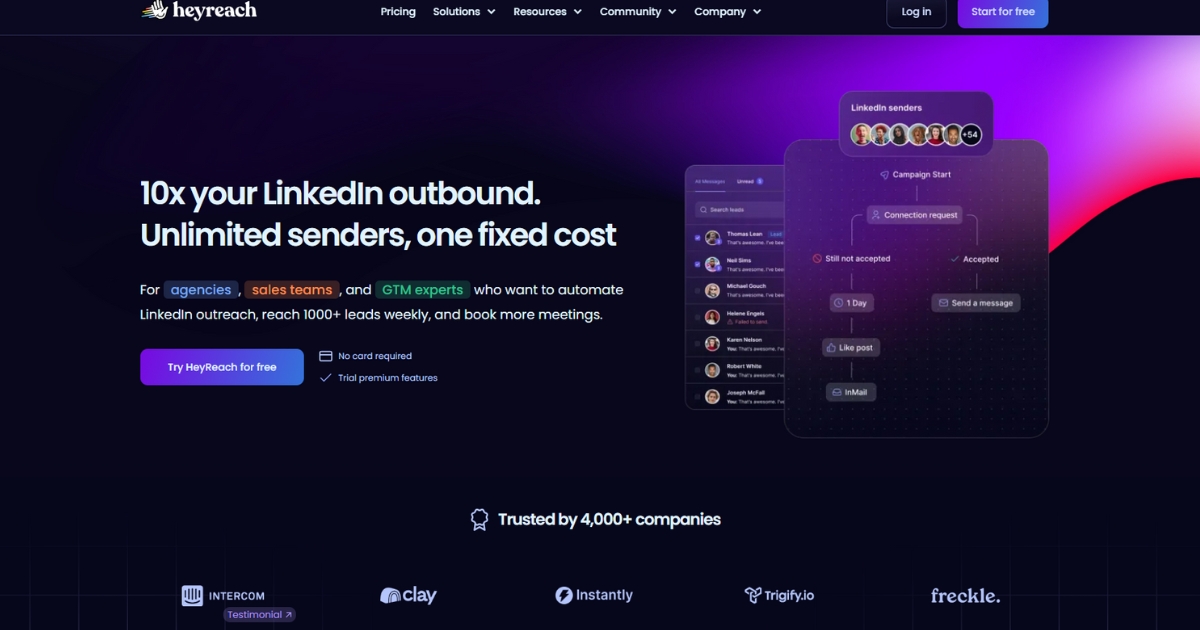
HeyReach is an outreach automation tool that helps users streamline their LinkedIn and email prospecting by delivering personalized, automated messaging campaigns. It is designed for lead generation agencies and sales teams.
Key capabilities include:
- Personalized outreach across multiple channels
- Rotate between multiple accounts during campaigns
- Unibox consolidates conversations into one inbox
- HeyReach MPC connects LLM for data campaigns and outreach
HeyReach is often used by LinkedIn and email marketing teams at lead-generation agencies or sales teams for personalized, automated outreach.
Best for: Lead generation agencies and sales teams looking to streamline their LinkedIn and email prospecting efforts.
How to choose the right lead generation tool for your business
With so many lead generation tools available, the right choice depends on what you actually need to measure and improve. Before picking a tool, it helps to step back and look at how leads move through your business.
Step 1: Define what a lead means to you
Not every business treats leads the same way. For some teams, a lead may only count once there’s clear buying intent, such as a prospect responding to outreach, asking product-specific questions, or engaging through an enterprise inbox platform or an email management virtual assistant.
For some, a lead is a newsletter sign-up. For others, it’s a demo request or a sales-qualified account. Be clear on what counts as a meaningful lead. This will help you avoid tools that track activity but don’t support real outcomes.
Step 2: Understand your lead generation funnel
Look at how leads enter your funnel and what happens next. Where do most people drop off? Which steps matter the most?
Tools that show funnel performance make it easier to spot leaks and focus on the stages that actually need improvement.
Step 3: Think about how attribution works for you
If leads come from more than one channel, attribution matters. You’ll want to know which campaigns, pages, or touchpoints influence conversion, not just what happens last.
Tools with multi-touch attribution help you understand the full journey instead of guessing what worked.
Step 4: Pay attention to data accuracy and privacy
Decisions are only as good as the data behind them. Inaccurate or blocked tracking can hide important insights.
Privacy-friendly and cookieless tracking helps maintain visibility while staying compliant, especially as regulations continue to evolve.
Step 5: Choose something your team will actually use
Complex tools often look powerful but end up underused. Simple setup, no-code tracking, and clear dashboards make it easier for marketing, sales, and product teams to work from the same data.
Step 6: Make sure it fits your existing stack
Your lead generation tool should work well with your CRM and marketing tools. It should also scale as your lead volume grows and your funnel becomes more complex.
Platforms that combine lead tracking with funnel and attribution insights can reduce the need for multiple disconnected tools.
To wrap it up,
Lead generation in 2026 is not about collecting more leads. It is about understanding how those leads move through your funnel and what drives real decisions. Tools that only capture surface-level activity leave teams guessing and reacting too late.
The most effective lead generation stacks connect acquisition, behavior tracking, funnel visibility, and attribution. This approach helps teams improve lead quality, spot drop-offs early, and align marketing efforts with real outcomes across channels.
If your team wants clearer insight into lead journeys, funnels, and attribution, Usermaven stands out as the best marketing attribution software for lead generation teams. It helps teams understand what works, what does not, and where to focus next, all without adding complexity to their workflows.
Ready to see Usermaven in action? Explore the platform or book a demo for a closer look.
See Usermaven in action
Book a free demo and discover how powerful analytics can grow your business.
FAQs
1. What is the best lead generation tool for SaaS companies?
The best tool depends on your goals. SaaS teams often benefit from tools that combine lead capture with product analytics, funnel tracking, and attribution to understand user behavior beyond sign-ups.
2. Are free lead generation tools effective?
Free tools can work for early-stage teams, but they often lack advanced tracking, attribution, and scalability. As lead volume grows, limitations become more noticeable.
3. How do lead generation tools help with attribution?
Advanced tools track multiple touchpoints across channels, showing which campaigns, pages, or interactions contribute to conversions rather than relying on last-click data.
4. Do ecommerce brands need different lead generation tools?
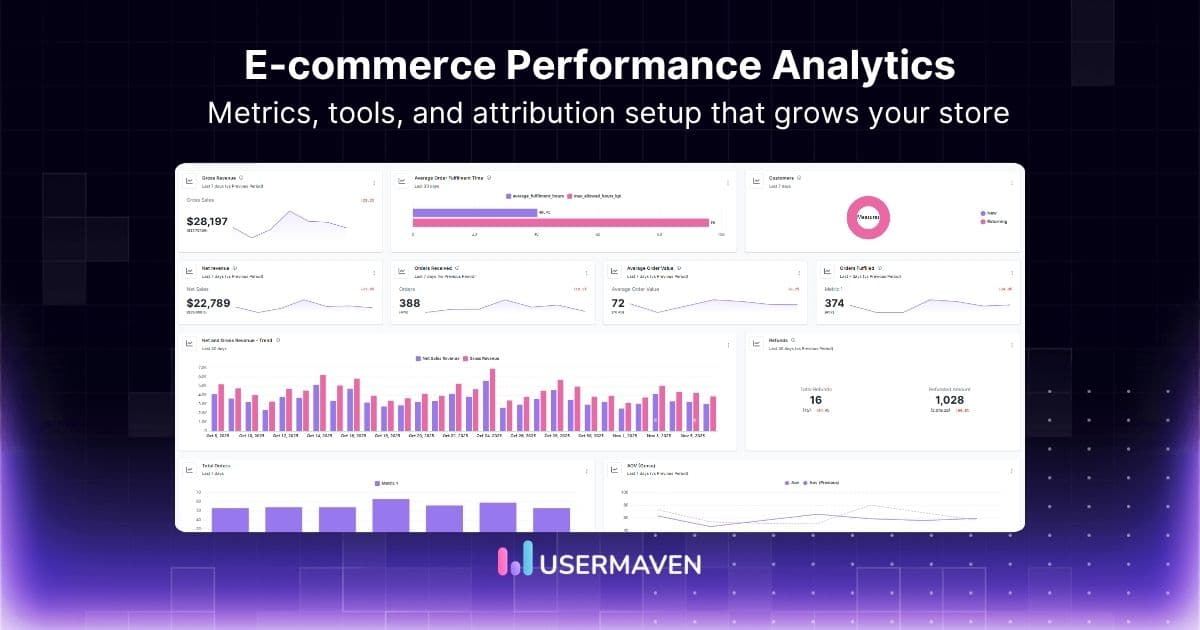
Ecommerce brands often focus on email capture, behavioral tracking, and funnel optimization. Tools that connect lead activity with purchase behavior provide better insights.
5. Can one tool replace multiple lead generation tools?
Some platforms offer broader visibility across analytics, funnels, and attribution, reducing the need for multiple disconnected tools, especially for small to mid-sized teams.
6. How long does it take to see results from lead generation tools?
Basic insights can appear within days, but meaningful optimization usually happens over weeks as enough data is collected to analyze patterns.
7. Is privacy-friendly tracking important for lead generation?
Updated

Written by
Imrana Essa
SaaS Marketing Lead
Imrana Essa is a marketing lead and content strategist with 8+ years of experience creating and leading content for B2B and SaaS brands. She specializes in marketing analytics, attribution, content strategy, and organic growth, translating complex marketing concepts into clear, actionable insights. Her work focuses on helping marketers understand performance, make data-informed decisions, and build strategies that contribute to sustainable growth.
All articles by Imrana →